




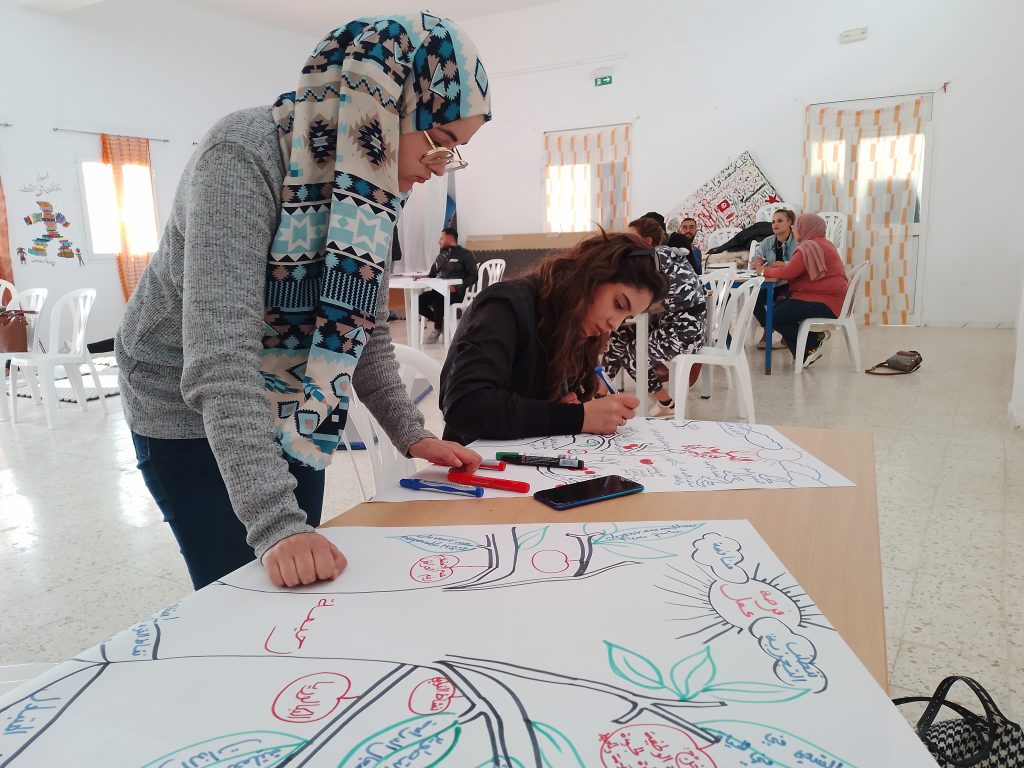

When we talk about “safe spaces” for girls, we often picture a room where they can speak freely, learn, and feel seen. But in 2025, safety also means something else: knowing how to stay safe online, especially when phones and social media are part of daily life.
That is why we are cheering for our partner in Egypt, Egyptians Without Borders for Development (EWB), known locally as Masrien Bela Hodod.
EWB is an Egyptian civil society organisation that started in Aswan in 2007, and later expanded its work nationally, with offices in Aswan and Cairo.
They describe themselves as a “house of expertise” in training, research, and technical support, built by rights and development advocates who wanted to support positive change in local communities.
At the heart of EWB’s vision is a simple idea: a fair society that respects human rights and citizenship, and values integrity and transparency.
Their mission centres on helping people take part in improving their communities, and gain the knowledge and experience they need to manage their lives with confidence.
A Girls’ Club session with real-life focus
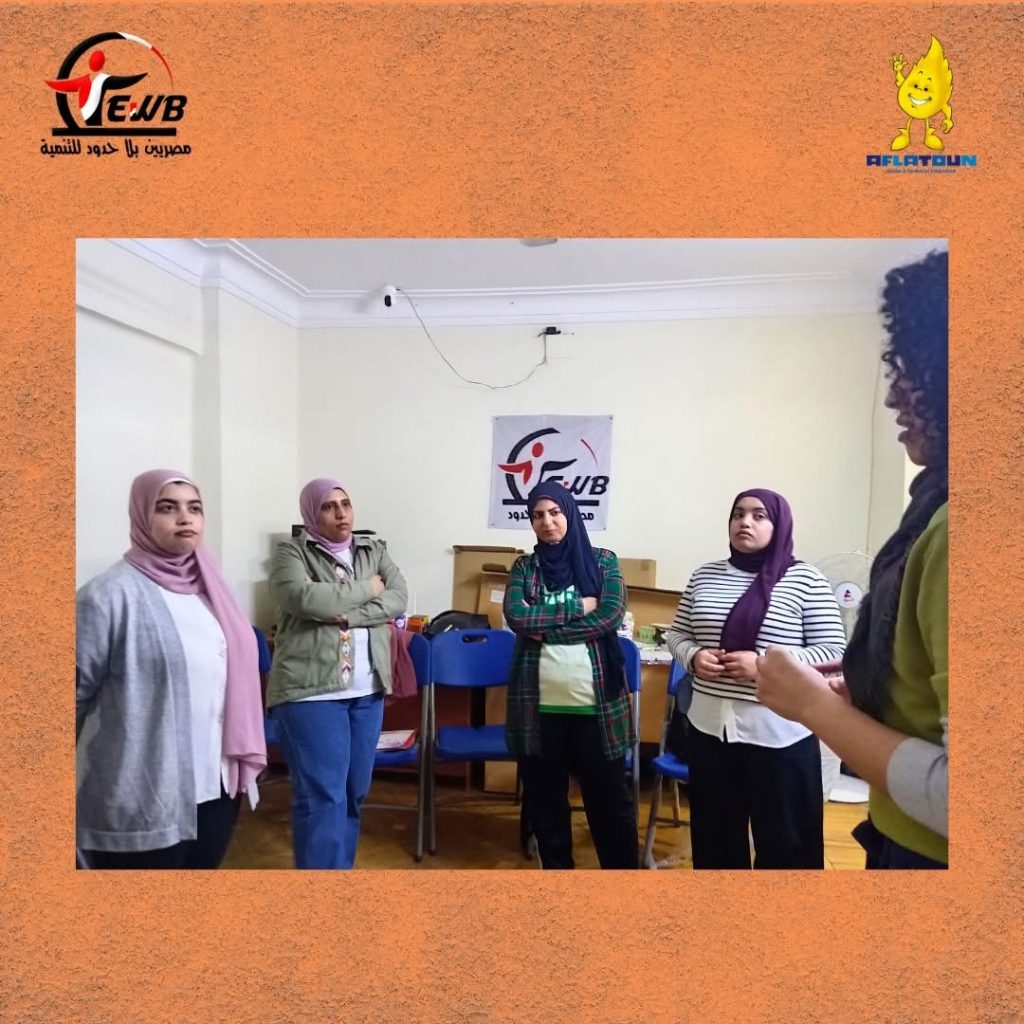
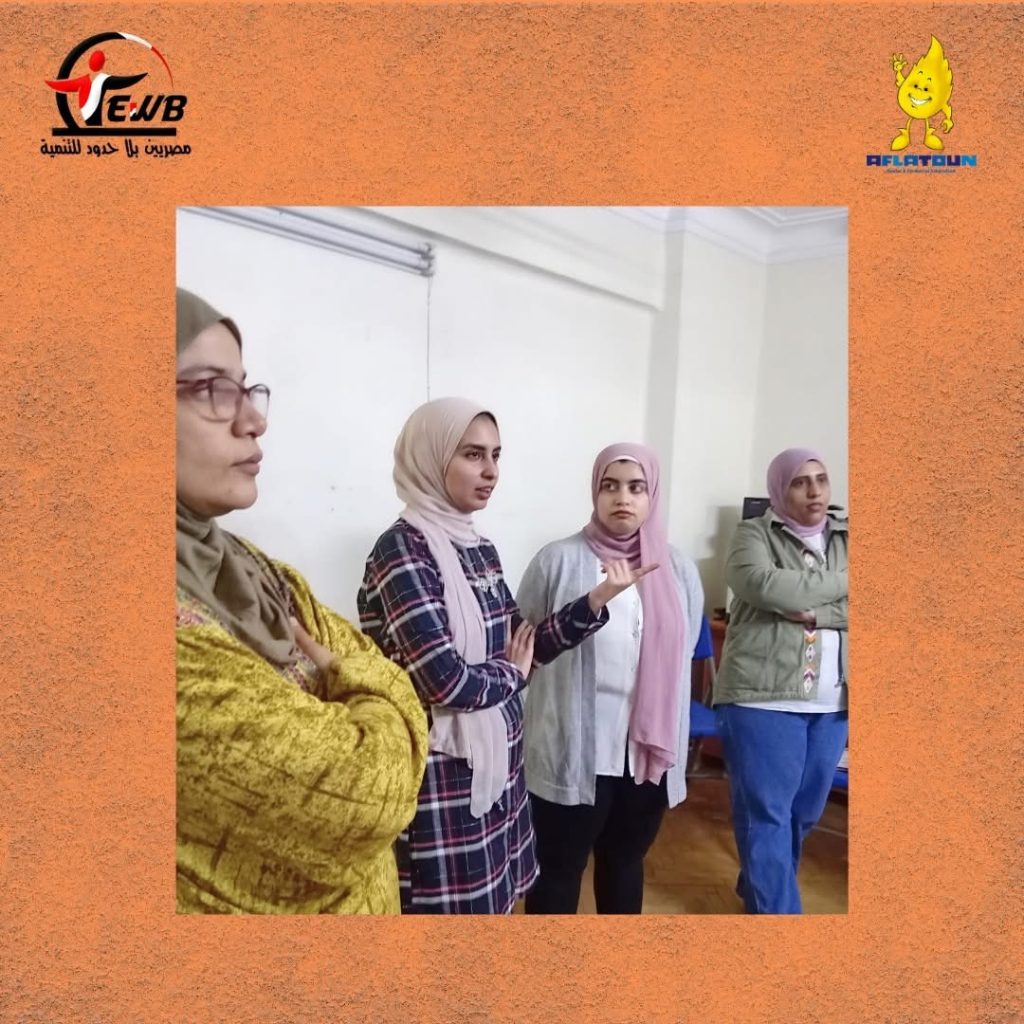
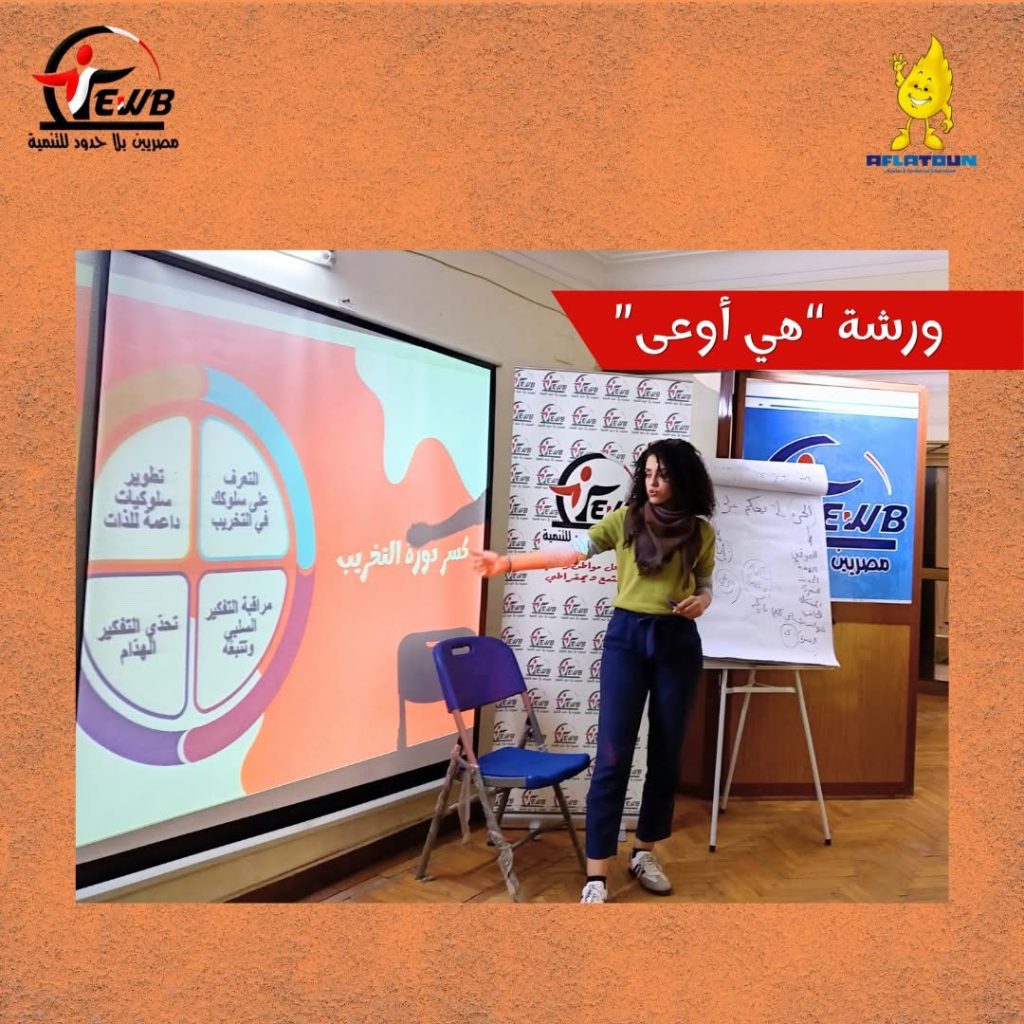
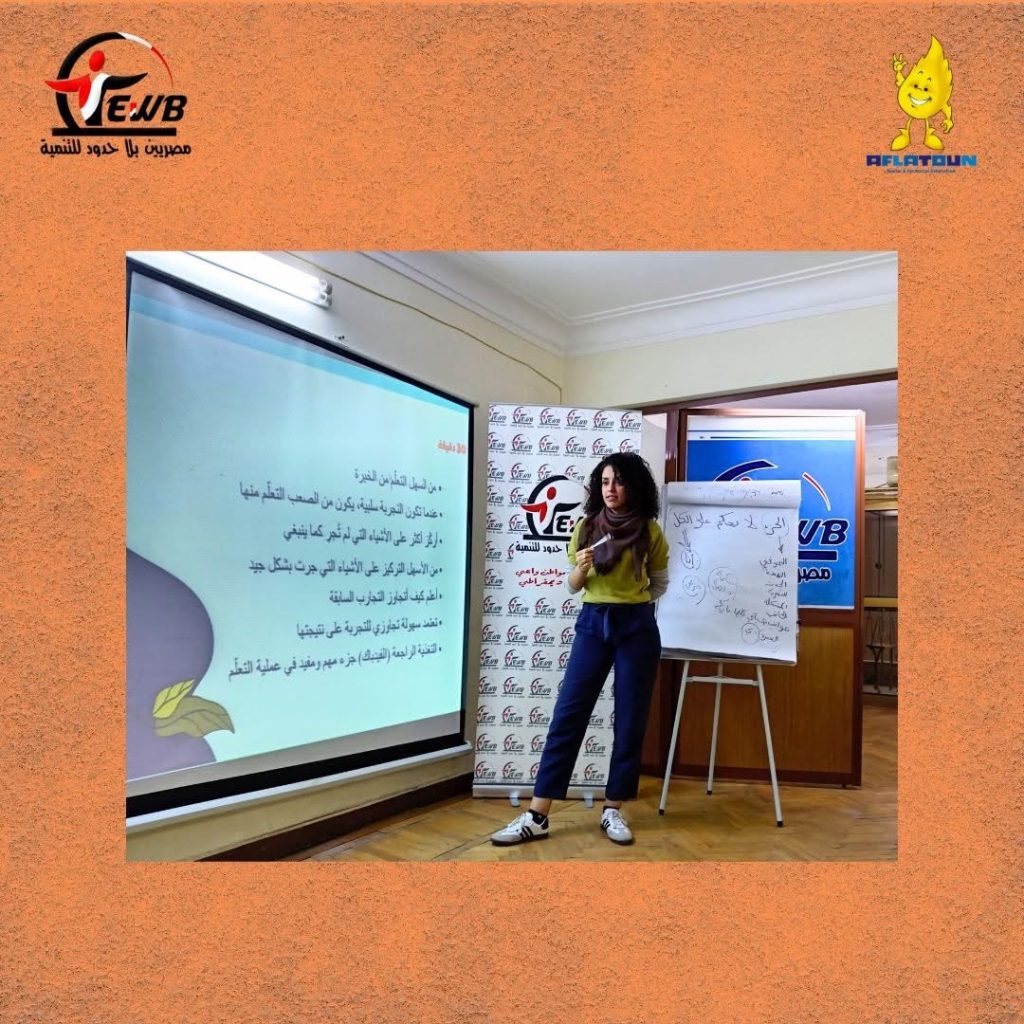
On December 5, 2025, EWB hosted the “She Is Aware – هي أوعى” workshop at the EWB Girls’ Club, as part of the global 16 Days of Activism Against Gender-Based Violence campaign.
What made the session stand out was how practical it was.
Together with Aflatoun International, EWB integrated one of Aflatoun’s thematic resources: the Digital Finance Supplement, using the cybersecurity session designed for young women. The goal was clear: help girls recognise digital risks early, and learn how to protect themselves when using online tools that are now part of learning, work, and money.
This matters because harm is not only physical. It can also happen through threats, pressure, scams, and humiliation that spread fast online. When girls understand privacy, consent, and safe online behaviour, they gain more control over their choices.
And that control is powerful.
What the workshop aimed to build
The workshop was not only about “what to click” or “what not to share.” It also focused on the person behind the screen.
From your notes, the session aimed to help girls:
build self-confidence and emotional resilience
practise independent decision-making
grow self-awareness and personal development
learn self-care techniques, including mindfulness and art-based activities
It is a strong mix, because digital safety is not only technical. It is also emotional. When someone feels confident, they are more likely to pause, ask questions, and seek help when something feels wrong.
Who is behind the work
EWB’s leadership has deep experience in civil society and learning.
On its website, EWB describes its founder and Chief Executive Officer, Wesam El Sherif, as a capacity-building and organisational development consultant since 2003. The same profile notes her long involvement in education coalitions and regional learning spaces, and her work on training resources across themes such as women’s rights, children’s rights, citizenship, and life skills.
EWB’s organisational structure also highlights a team that includes an Aswan branch executive director, advocacy staff, and education programme coordination.
That mix of skills helps explain why the Girls’ Club model works. It is not a one-off activity. It is built by people who understand how to design learning that feels relevant and respectful.
A partner rooted in Aswan, connected nationally
EWB’s roots in Aswan still matter.
In recent years, EWB has also appeared as a local partner in wider, multi-actor initiatives in Upper Egypt. For example, a Misr El-Kheir platform covering an European Union-funded project on sustainable development and local climate action lists EWB as a partner organisation in Aswan, alongside partner organisations in Aswan, Beni Suef, Fayoum, and Luxor.
That tells a bigger story: EWB is not only running activities. They are showing up in spaces where local stakeholders compare evidence, set priorities, and plan practical action.
And that is where change becomes more durable.
Why this matters for Aflatoun
Aflatoun’s work is about social and financial education that fits real life. In 2025, “real life” includes digital money and digital risk.
Girls are often encouraged to be “careful online,” but they are not always taught how. A cybersecurity session that is friendly, youth-centred, and grounded in daily examples can make a big difference. It shifts safety from fear-based warnings to practical skills and confidence.
EWB’s “She Is Aware” workshop is a good example of what strong partnership looks like:
a safe learning space
relevant tools that match current risks
skilled facilitators who understand girls’ realities
a focus on both knowledge and wellbeing
It is also a reminder that preventing gender-based violence is not limited to one setting. It can include digital settings too, where harassment, threats, and manipulation can be constant, and hard to escape.
What we’re taking forward
As we look ahead, this is the direction many partners are already moving toward: blending social-emotional learning, practical financial skills, and digital safety in one space.
EWB’s work shows how that can look on the ground, in a way that is simple, respectful, and useful.
To Egyptians Without Borders for Development: thank you for building spaces where girls can learn, breathe, and grow and for helping them feel safer online, not just offline.