



In many schools, learning can feel like something that happens only at a desk. With AMG Guatemala, you see something different. Students are encouraged to look around them, notice what could be better, and take practical steps to make that change happen.
What stands out is how often young people move from “we should do something” to “we did it.” They plan, they work in teams, they speak up, they raise small resources, and they deliver projects that help their school or community. It is a simple idea, but it has real power: when children and adolescents learn by doing, they build skills they will carry for life.
Across the activities shared by AMG Guatemala, students took on themes that matter in daily life. Some focused on care for the environment. Others focused on kindness and safety in school. Others tackled everyday life skills, including how to manage money and make careful choices. Each project is different, but the message is the same: learning can be active, practical, and rooted in real life.
One set of student projects shows how service can be organised in a thoughtful way. Students visited community spaces and looked for needs they could respond to. In one case, they organised a food donation for a dog shelter. In another, they prepared a breakfast for older people at a local elderly home. What is striking is not only the final activity. It is the process behind it.
Students described how they raised funds through small school initiatives, planned what was needed, and worked together to deliver with respect. These are not “big” projects in the usual sense. Yet they are big in what they teach. They show young people that community care is not just an idea. It is something you can plan, budget for, and deliver.
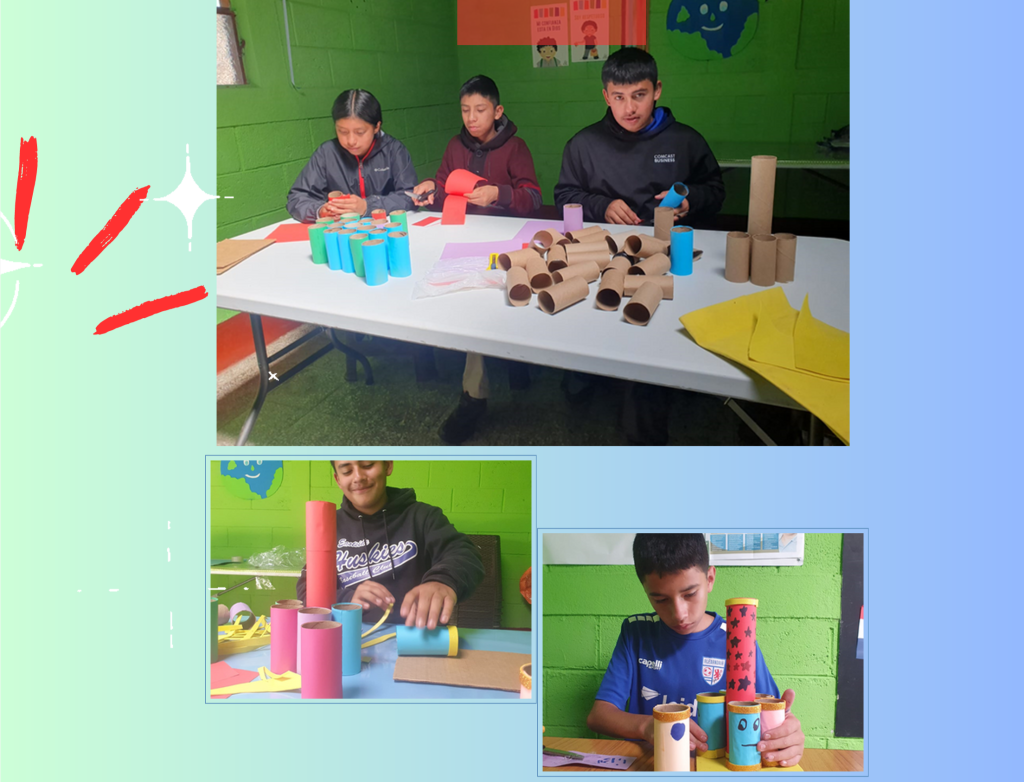
Environmental action came through strongly as well. Students spoke about planting, caring for living things, and learning patience through the process of growth. Others focused on keeping shared spaces clean and reducing waste. There were also creative projects where students reused materials that would normally be thrown away. The result was practical items and learning tools, but also a shift in mindset.
When a child realises that “waste” can become something useful, it changes how they see the world. It also builds the habit of problem solving. Instead of waiting for someone else to fix things, they start asking: what do we already have, and what can we do with it?
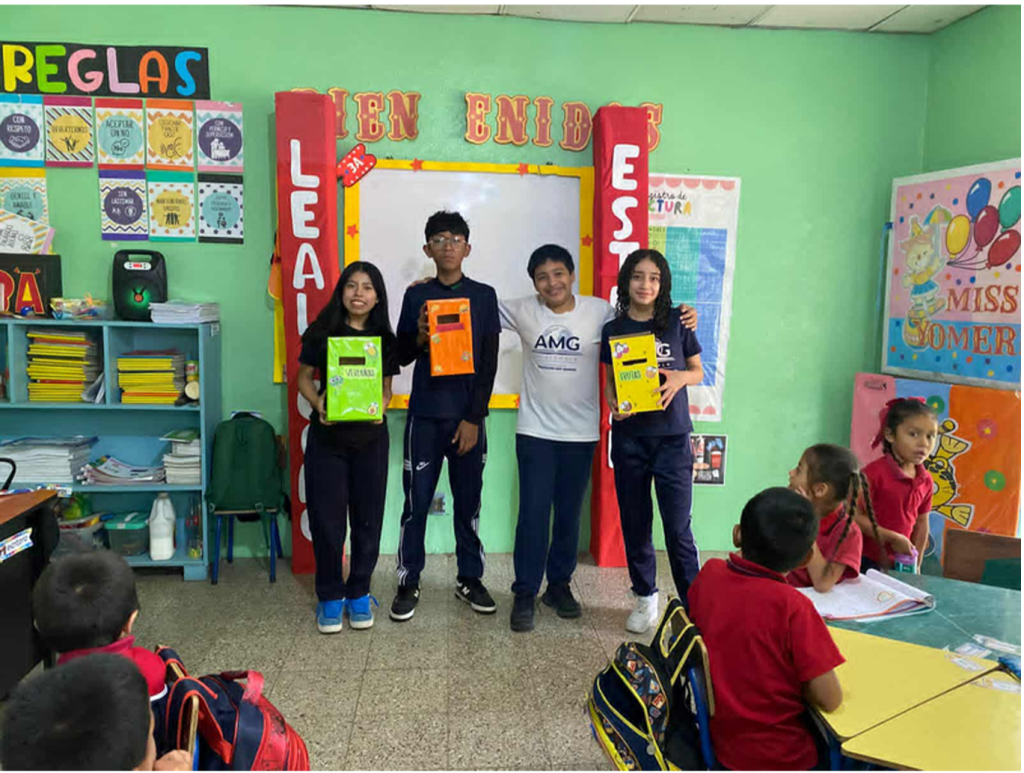
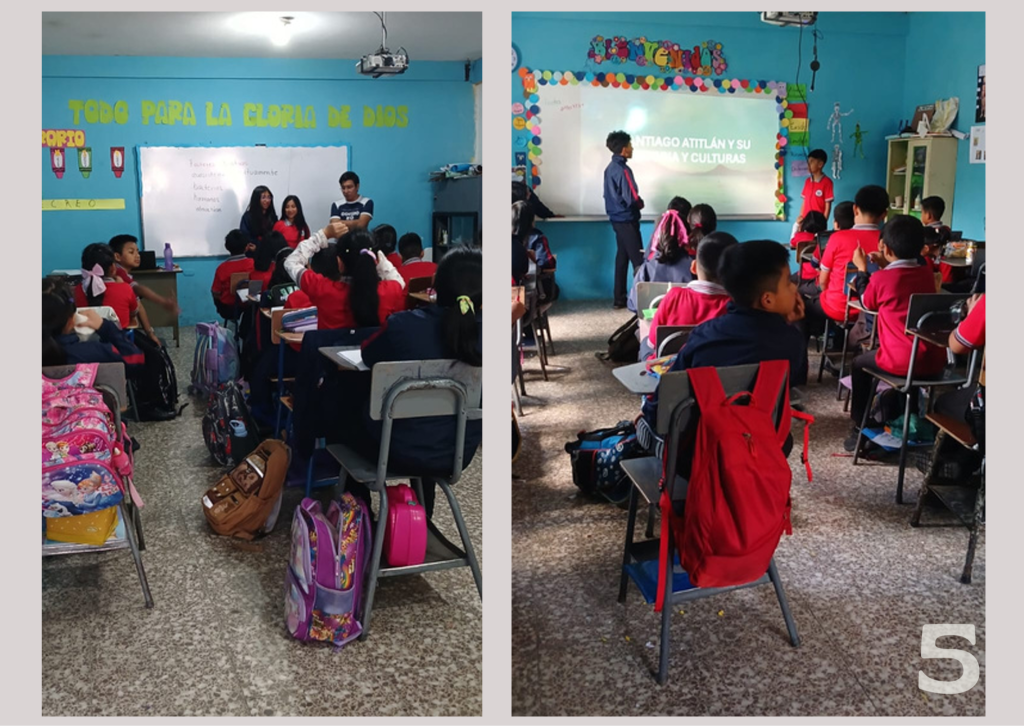
The projects also show a strong focus on school climate and relationships. Some students worked on anti-bullying efforts, creating messages, posters, and simple materials that could be shared across the school. They also held sessions with younger learners, helping them understand respect, kindness, and safe behaviour.
This kind of peer-led approach can be powerful. Children often listen differently when the message comes from someone close to their age. It becomes less about rules and more about shared values. It helps build a school culture where learners look out for one another.
Another area that comes through clearly is life skills. Students explored topics like healthy habits, responsible use of phones and social media, and managing emotions and stress. They also worked on financial learning in a way that connects to real life. For example, students shared messages about saving and about the difference between needs and wants.
These topics may sound basic, but they are the building blocks of confidence. A young person who can tell the difference between a need and a want is already learning how to make better choices. A young person who understands saving is learning how to plan ahead. A young person who can talk about online safety is learning how to protect themselves and others.
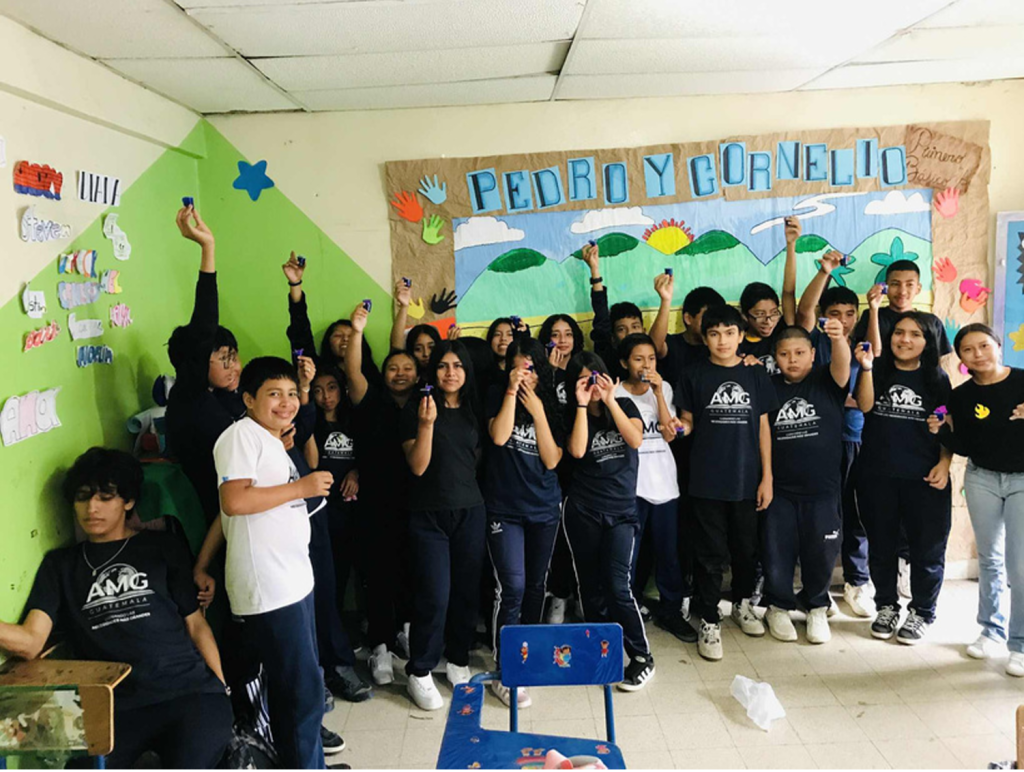
What makes AMG Guatemala’s work especially encouraging is how student leadership shows up again and again. Young people are not only receiving information. They are preparing sessions, leading activities, sharing learning with others, and reflecting on what worked. That reflection matters. It helps learners connect their actions to results, and it helps them grow a habit of learning from experience.
You also see teamwork everywhere. Students do not work alone. They divide tasks, support one another, and learn how to coordinate. These are essential skills for adulthood, but they are rarely taught directly. In these projects, they are practised naturally.
Behind every student-led project, there is also adult support that makes it possible. Teachers and school leaders create space for young people to lead, while still guiding them to plan responsibly and work safely. That balance is not always easy. But when it works, it creates a learning environment where young people feel trusted and capable.
AMG Guatemala is showing what it can look like when education is connected to life. When students learn that they can contribute, they start seeing themselves differently. They begin to understand that they have ideas worth sharing, and that they can work with others to make those ideas real.
This week, we celebrate AMG Guatemala for that steady, practical work. We also celebrate the students who are stepping forward with creativity, care, and courage. They are not only learning about the world. They are learning how to shape it, in small ways that add up.
If you read their stories closely, you will notice something hopeful: young people are ready. When given the chance, they will lead, they will learn, and they will surprise you with what they can do.