








In February, Aflatoun supported two linked trainings in Serbia to prepare local actors to deliver the Financial Literacy Module (FLM) for parents and caregivers. The sessions focused on helping facilitators and volunteers feel confident leading practical, respectful conversations about money with parents.
This matters because when adults have the tools to plan, save, and talk openly about money, children benefit too.
Why parents matter
In many families, money decisions are made under pressure. Bills, school needs, and unexpected costs can quickly become overwhelming. When parents have simple skills like setting a goal, tracking spending, and spotting risky offers daily life becomes more manageable.
That is the idea behind the Financial Literacy Module for parents and caregivers, which is designed for workshop style delivery.
Three days to practise
The main training ran from nine to eleven February and lasted 24 hours. It was facilitated by Miloš Zorica and Kristina Drini, both master trainers.
In total, 27 participants took part. The group included 15 facilitators and 12 volunteers, with Aflatoun staff also involved in coordination roles.
Participants received the module itself and supporting materials, alongside presentations and activities used during the training.
Learning by doing
The training aimed to do two things.
First, it helped facilitators understand the structure of the module and how to adapt it to local realities, including a gender equality lens. Second, it prepared them to facilitate workshops with parents using hands-on methods, including mock sessions and feedback.
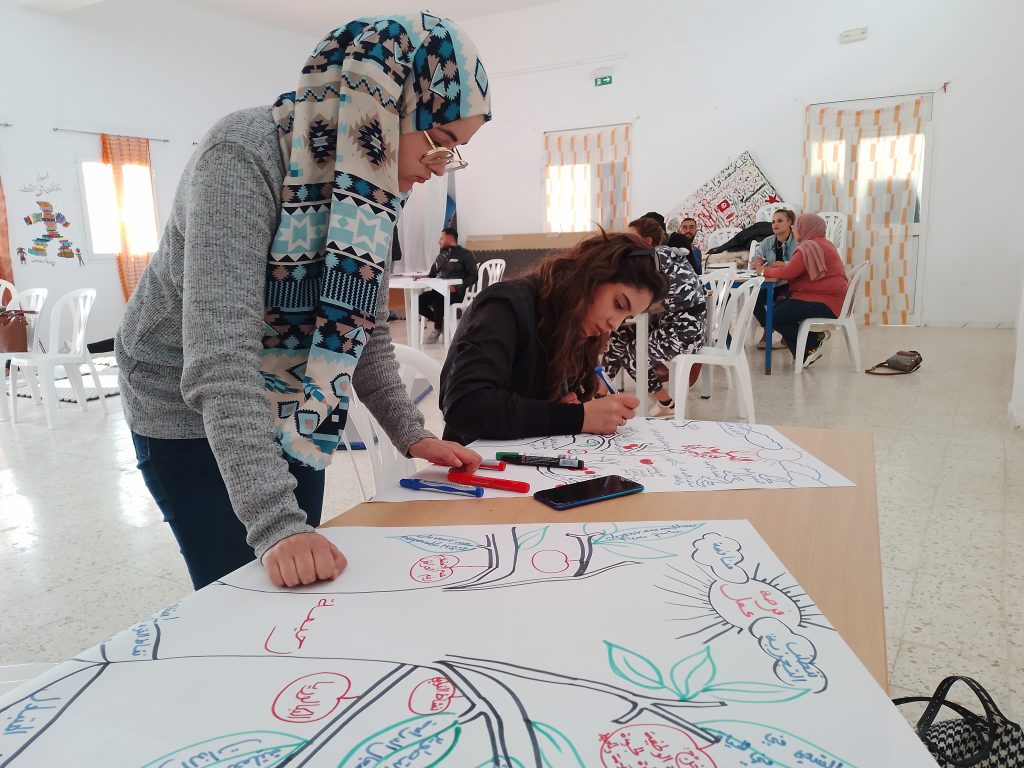
The trainers used a mix of short theory inputs and interactive practice. That included icebreakers, group discussions, role play, case studies, and small-group work, with participants documenting ideas on posters and sticky notes.
This “learn by doing” approach was important because many participants were new to financial literacy as a topic. Around 70% reported they did not have prior knowledge or experience in this area, and that made them even more motivated to engage.
A joint day with volunteers
The training was delivered across three days, with two days focused on the facilitators and part of the third day bringing in volunteers.
Practice sessions were a turning point. Facilitators initially felt nervous about practising, but after meeting volunteers, doing a joint icebreaker, and running mock sessions with volunteers playing the role of parents, facilitators felt more empowered and motivated.
This is a simple but powerful insight: confidence often grows fastest when people have a safe space to practise, make mistakes, and try again with supportive feedback.
A focused day for volunteers
On 12 February, a separate eight-hour training supported the volunteers. There were 12 participants.
The goal was to help volunteers understand the module and their role in supporting delivery. Like the facilitators’ training, it used interactive methods and practice sessions with feedback.
The trainers observed strong engagement throughout the day. Volunteers participated actively, asked questions, and shared experiences. They also noted that 90% of volunteers said they did not have previous knowledge or experience with financial literacy, which helped explain the high energy in discussions.
What participants took away
Across both trainings, participants followed the materials well, and key concepts were understood clearly.
Both groups rated the training very highly, with an average score of 5.0 out of 5.0. Several participants said the training was useful and should be longer.
One practical point stood out: facilitators spent time on how to clearly inform parents about the programme to avoid misunderstandings or mismatched expectations. That kind of preparation can make a big difference, especially when introducing a new topic in a preschool context.
What they want next
Participants and trainers shared several suggestions for improving future sessions.
From the volunteer training, key suggestions included more joint learning moments with facilitators, a longer training with more breaks, and an added focus on public speaking.
From the facilitators’ training, suggestions included spending more time adapting the agenda to what participants already know, using early check-ins to tailor time across sessions, and potentially extending the training to four days due to the scope.
What happens next
These trainings were about readiness: building the skills, shared understanding, and confidence to deliver workshops that feel practical and respectful for parents.
Next comes the real test—delivery with parents and caregivers, in real settings, with facilitators and volunteers working side by side. If the energy and feedback from participants are anything to go by, the foundations are strong.