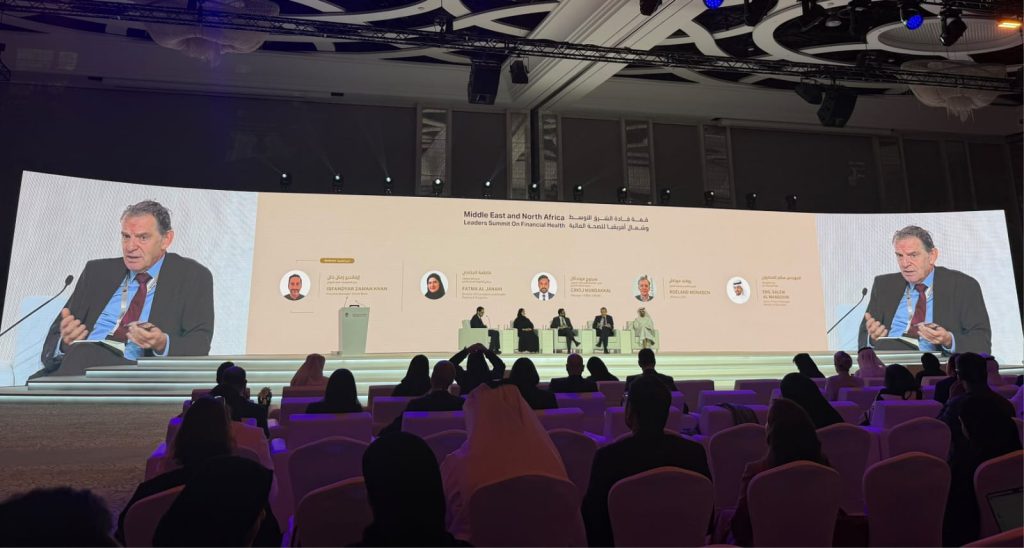







Aflatoun International joined regional and international leaders in Abu Dhabi to explore an important question: how can financial education help people make healthier choices in their everyday lives?
The discussion took place during the Middle East and North Africa Leaders’ Summit on Financial Health, held on 30 September and 1 October 2026. The event was organised by the Central Bank of the United Arab Emirates.
The summit brought together academics, bank and fintech leaders, central bank governors, development organisations, innovators and regulators. Its theme was “Building on Financial Inclusion: Advancing Financial Health for Resilience in MENA”.
From access to outcomes
Financial inclusion has often been measured through the number of bank accounts opened or transactions completed.
The summit encouraged a broader view. It examined whether people can manage unexpected expenses, save for the future, borrow responsibly and make informed financial decisions.
This shift is particularly important for children and young people. Access to financial services does not automatically mean that someone feels confident or prepared to use them.
Young people also need opportunities to practise making decisions, understand consequences and develop healthy habits before they face more complex financial choices.
A new national strategy
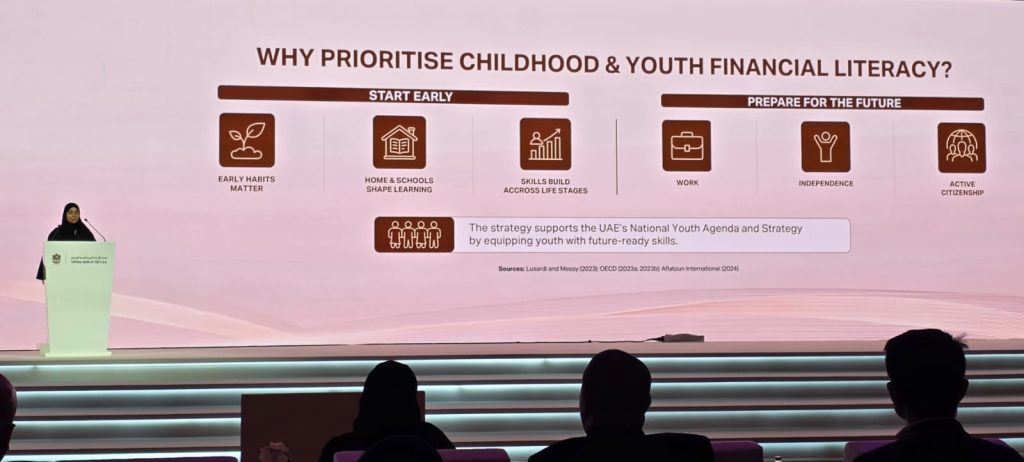
During the summit, the United Arab Emirates launched its National Financial Literacy Strategy 2027–2031.
The strategy is designed to support people at different stages of life. It also covers micro, small and medium-sized enterprises.
Its goal is to equip people with the knowledge and skills needed to make financial decisions confidently, responsibly and safely.
The strategy builds on the country’s National Financial Inclusion Strategy, launched in 2025. Together, the two strategies connect access to financial services with the knowledge needed to use them effectively.
Games as rehearsal
The summit’s second day focused on “Financial Health in Action”. Discussions covered behavioural science, financial education through games, fraud, artificial intelligence-enabled scams and over-indebtedness.
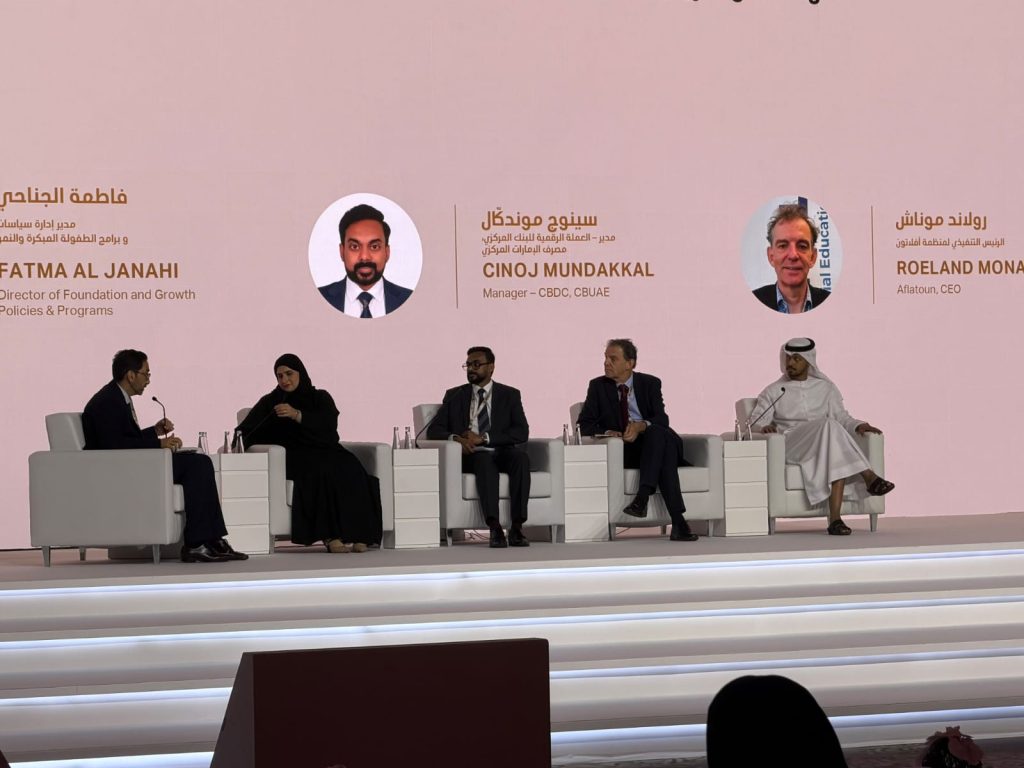
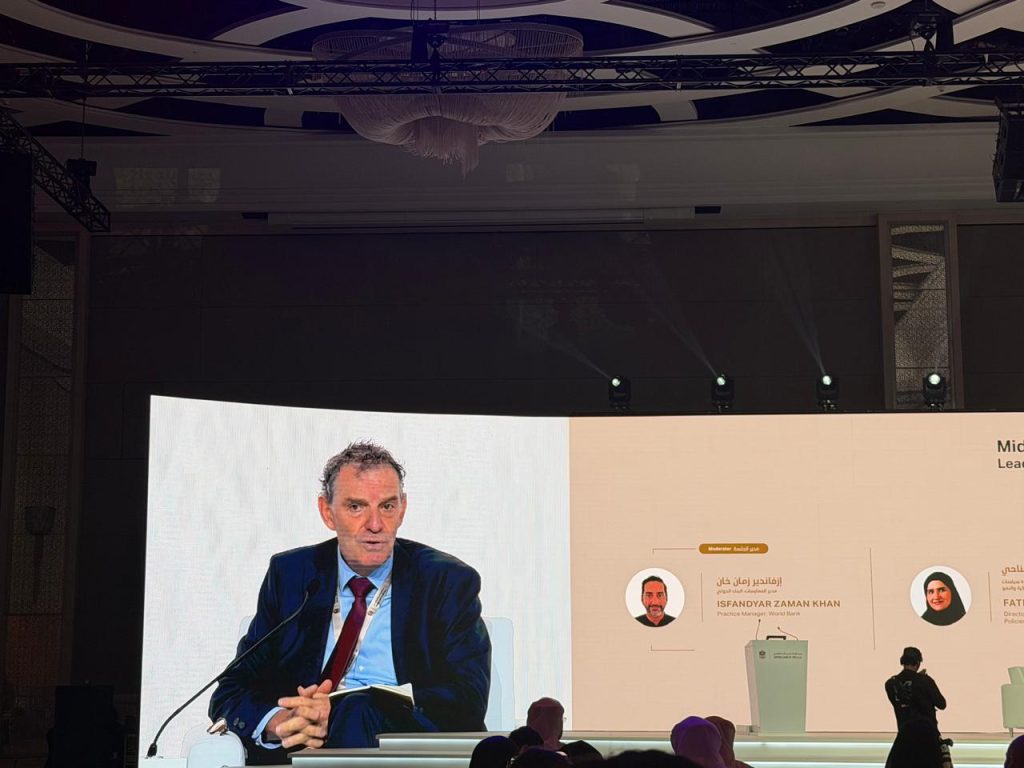
Aflatoun International Chief Executive Officer Roeland Monasch participated in a panel on gamified financial education.
The session explored how playful and digital learning can help turn financial knowledge into practical behaviour. It also examined how curricula, educators, families, digital tools and the wider financial system can work together.
As Roeland explained:
“The game should be the rehearsal, not the destination.”
Games can give learners a safe place to make choices, experience consequences and try again. However, success should not be measured only by completing a game or remembering information.
The real test is whether learners can apply what they have learned when making decisions outside the classroom or digital platform.
More than financial knowledge
For Aflatoun, financial education is not simply about teaching children how money works.
It is about helping them develop confidence, practical skills and the ability to make informed choices. This may include learning how to save towards a goal, compare options, recognise risks and pause before making a decision.
These skills must be supported by strong curricula, well-prepared educators, engaged families and responsible financial institutions.
Digital tools can help make learning more accessible and engaging. However, they work best when connected to real experiences and practical action.
Aflatoun thanks the Central Bank of the United Arab Emirates for the invitation and for creating a platform where education, financial policy and innovation could come together.
The summit reinforced a simple message: financial education matters most when knowledge becomes action.