




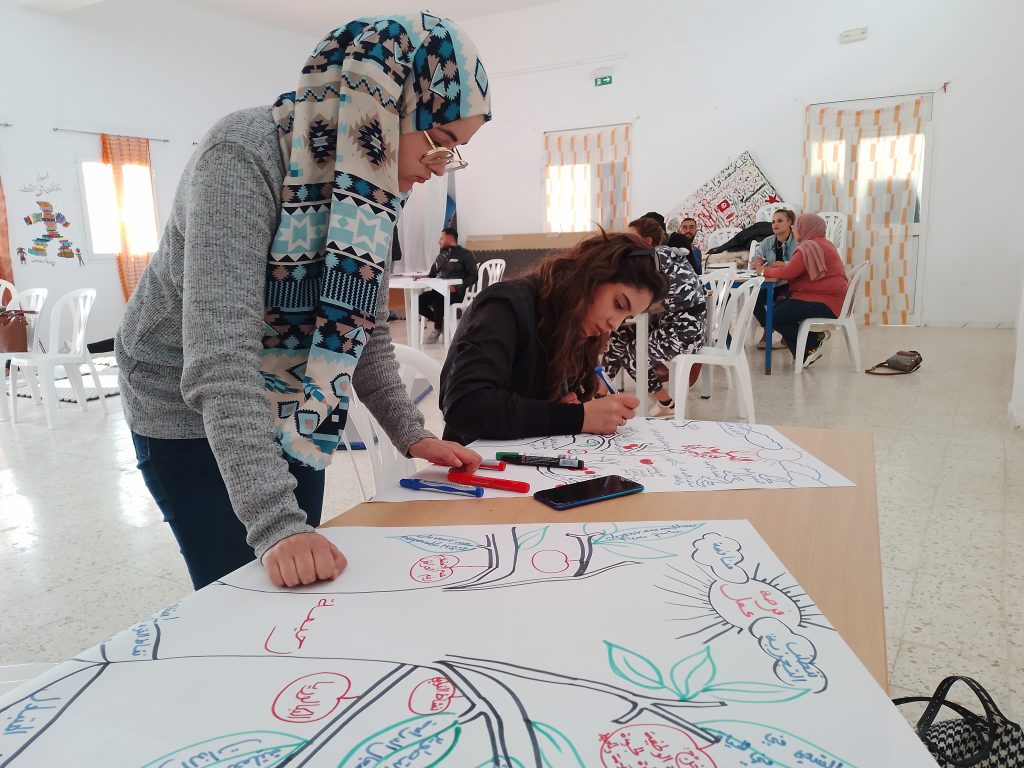

Every girl should be able to learn, feel safe and have a say in the decisions that shape her life. Yet child marriage, unequal expectations and limited access to education continue to restrict those choices.
International Day of the Girl Child, observed on 11 October, puts girls’ rights and voices at the centre of the conversation. The 2026 theme, “End child marriage and invest in girls’ rights,” calls for action that helps girls stay in school and shape their futures.
At Aflatoun International, social and financial education brings these priorities into everyday learning. It connects understanding rights and recognising self-worth with practical skills such as saving, budgeting and planning.
Skills for everyday choices
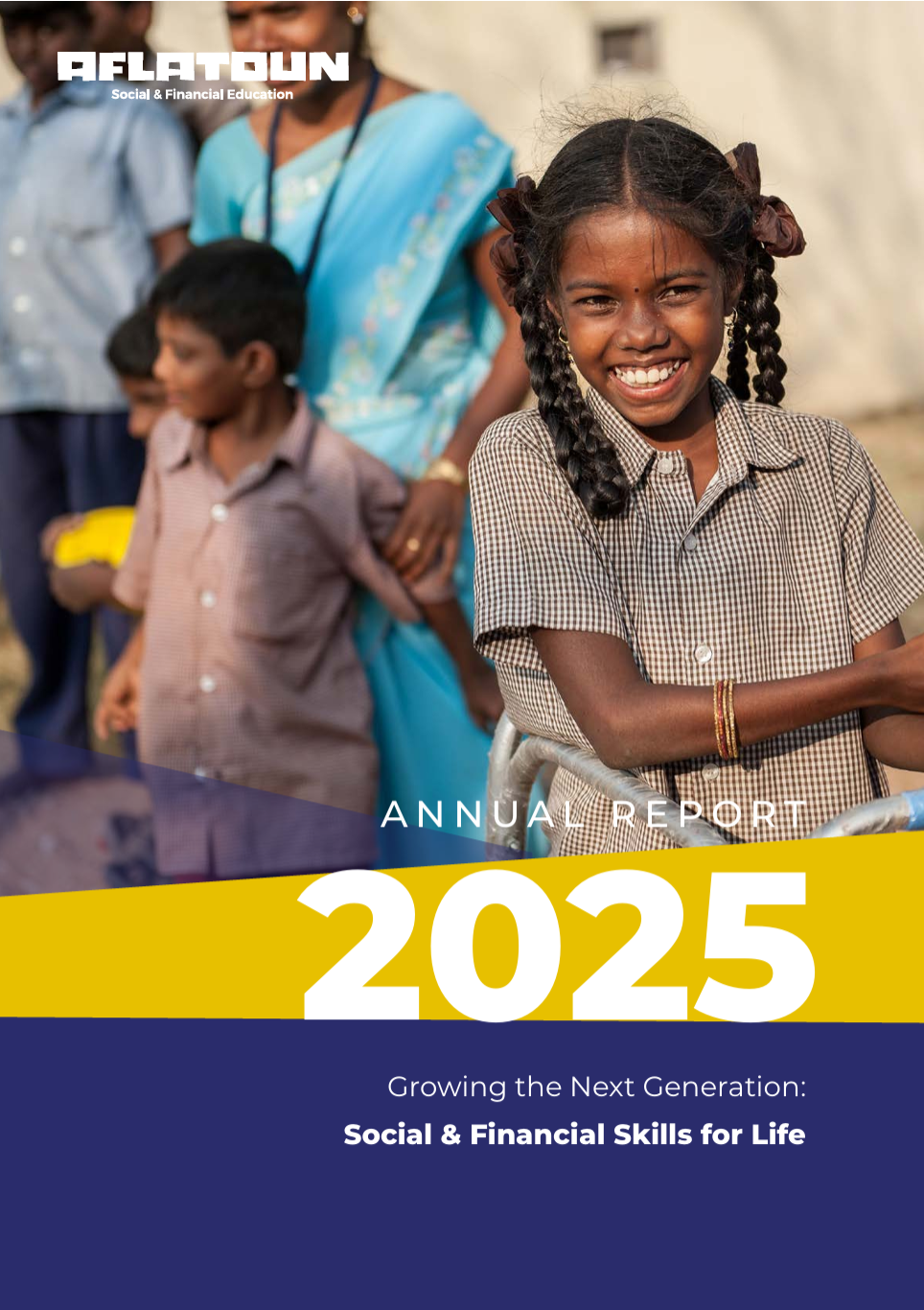
Our 2025 Annual Report records that girls and young women represented 53% of children and young people reached through Aflatoun network programmes. Meaningful participation also means making room for their questions, experiences and decisions.
A lesson on money can help a learner distinguish needs from wants, set a goal or plan how to use limited resources. Alongside this, social education encourages learners to understand their rights, question unfair expectations and express their views.
These skills are useful in everyday life. They can help girls take part in household discussions, plan their education and recognise where they need support. Adults and institutions remain responsible for creating the safe conditions that allow girls to use what they learn.
Learning about rights and equality
In Ethiopia, our annual report describes how Dilnesash Adisu, a Grade 12 student, applied lessons from Aflateen to start a small business making and selling a traditional spice blend. The programme was implemented by Girls Gotta Run Foundation, in partnership with Imagine 1 Day Organization.
She also helped her mother launch a soap-making enterprise, supporting budgeting, production, marketing and deliveries. Her experience shows how practical learning can give a girl opportunities to contribute ideas and build confidence.
The report also highlights a World Vision International evidence brief on ending child marriage in Ethiopia. Adolescent girls and boys participating in Aflateen showed improvements in decision-making about relationships, critical thinking about gender roles and financial knowledge.
Boys also began recognising challenges faced by their female peers and supporting girls whose schooling was affected by child marriage. This points to the importance of involving boys and communities in learning about girls’ rights.
These findings describe changes in skills and attitudes. They reinforce the value of education alongside wider efforts to protect girls and keep them in school.
Listening beyond one day
Girls’ learning also needs to reflect the world around them. In Egypt, Egyptians Without Borders Foundation for Development used Aflatoun’s digital finance materials to strengthen girls’ awareness of online safety and protection.
In Syria, Fada Association delivered learning on digital security, including recognising harassment and fraud.
Across these different settings, the work starts with listening. Girls need opportunities to explain what they face, ask questions and influence the activities designed for them.
International Day of the Girl Child is a reminder to carry that commitment into classrooms and communities throughout the year. Investing in girls means protecting their right to learn, supporting their participation and making space for the futures they choose.