







At the Africa Financial Inclusion Summit & Expo in Cape Town, Aflatoun International’s Chief Executive Officer, Roeland Monasch, called for investment in the knowledge and confidence that help people make financial choices.
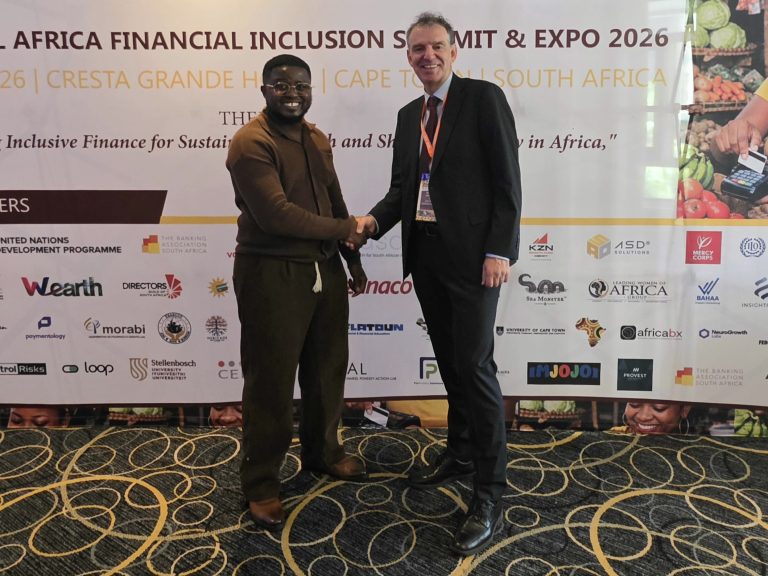
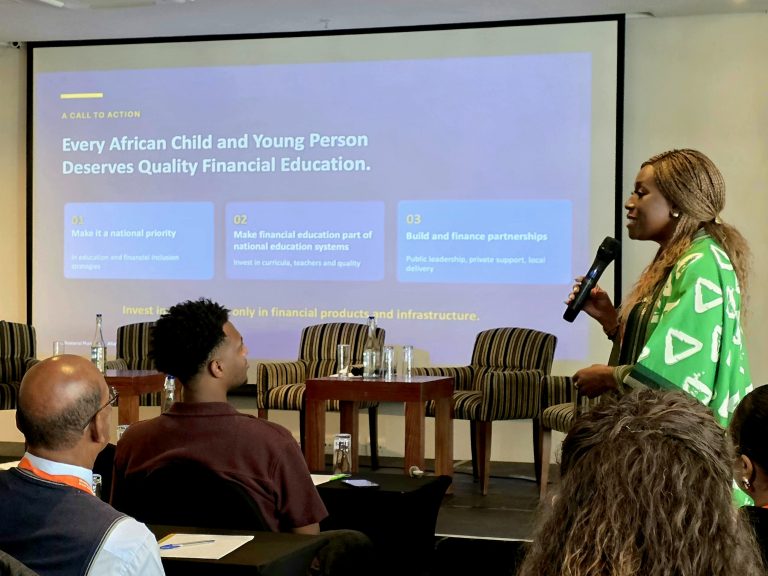
Roeland Monasch, Chief Executive Officer of Aflatoun International, at the Africa Financial Inclusion Summit & Expo in Cape Town.
Opening an account creates new possibilities. Making the most of those possibilities takes understanding: how to compare borrowing costs, recognise a harmful offer, plan for an unexpected expense or save towards a goal.
That connection between access and capability was at the heart of Aflatoun International’s contribution to the third annual Africa Financial Inclusion Summit & Expo in Cape Town, South Africa.
On 29 October 2026, our Chief Executive Officer, Roeland Monasch, delivered a keynote on building Africa’s financially capable generation. His presentation brought children and young people into a discussion about the future of financial services, with a clear message: preparation needs to begin long before a first loan or salary.
The event’s 29–31 October programme combines keynote presentations and panel discussions with networking activities, under the theme “Accelerating Inclusive Finance for Sustainable Growth and Shared Prosperity in Africa.”
Making access meaningful
The World Bank’s Global Findex 2025 shows that account ownership among adults in Sub-Saharan Africa rose from 49% in 2021 to 58% in 2024. This progress makes it increasingly important to help people understand the choices available to them.
Roeland’s presentation outlined two ways financial education can contribute. It can build the understanding and confidence people need to consider suitable financial services. It can also help those already using services make more informed decisions about borrowing, saving and risk.
A practical example came from preliminary survey findings among 3,000 platform drivers in Nairobi. The presentation reported that 31% of drivers with higher financial literacy used personal savings for emergency vehicle repairs, compared with 20% of those with lower financial literacy.
For someone whose earnings depend on a working vehicle, an unexpected repair brings an immediate financial decision. The findings illustrate an association between financial literacy and how drivers meet that expense; they do not establish that education alone caused the difference.
Financial education must also sit alongside affordable, suitable services and effective consumer protection. People need fair choices as well as the skills to assess them.
Starting with children
Aflatoun’s approach connects financial learning with social skills. Understanding a budget goes together with setting priorities. Comparing options requires critical thinking. Asking questions takes confidence.
For younger children, learning can begin with sharing, saving and understanding needs and wants. As they grow, activities can introduce planning, teamwork and budgeting. Older adolescents can explore responsible borrowing, enterprise and digital finance.
The keynote also highlighted the changing financial world young people face. Digital services bring opportunities alongside risks, including scams, misuse of personal information and borrowing costs that can be difficult to understand.
Learning needs to be practical and relevant to different lives, including those of girls, rural communities and other underserved learners. Children and young people outside school also need opportunities to build these skills.
From policy to everyday learning
Making financial education part of national education systems offers a way to reach successive generations. It also requires attention to what happens after a policy is approved.
Roeland highlighted different approaches to curriculum integration. In Burkina Faso, financial education has been incorporated into civic education. In Uganda, it features across several subjects in lower secondary school.
The route can vary, but teachers need preparation, materials and continuing support to turn learning objectives into classroom experiences. Measuring what children learn is equally important.
The presentation called for education policy and financial inclusion strategies to reinforce each other. Education ministries, central banks and regulators have complementary roles, while local organisations contribute knowledge of communities and experience in delivery.
Financial institutions and technology companies can contribute resources and expertise. Throughout these partnerships, education must remain focused on learners rather than commercial promotion.
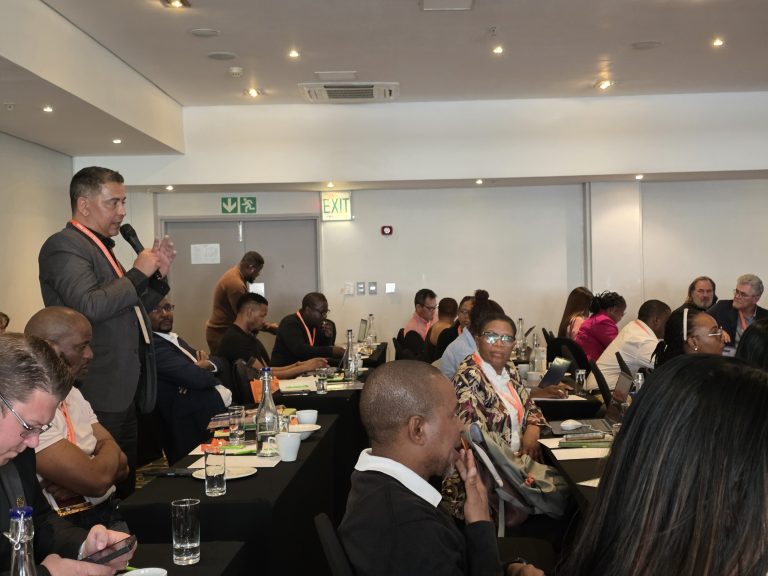
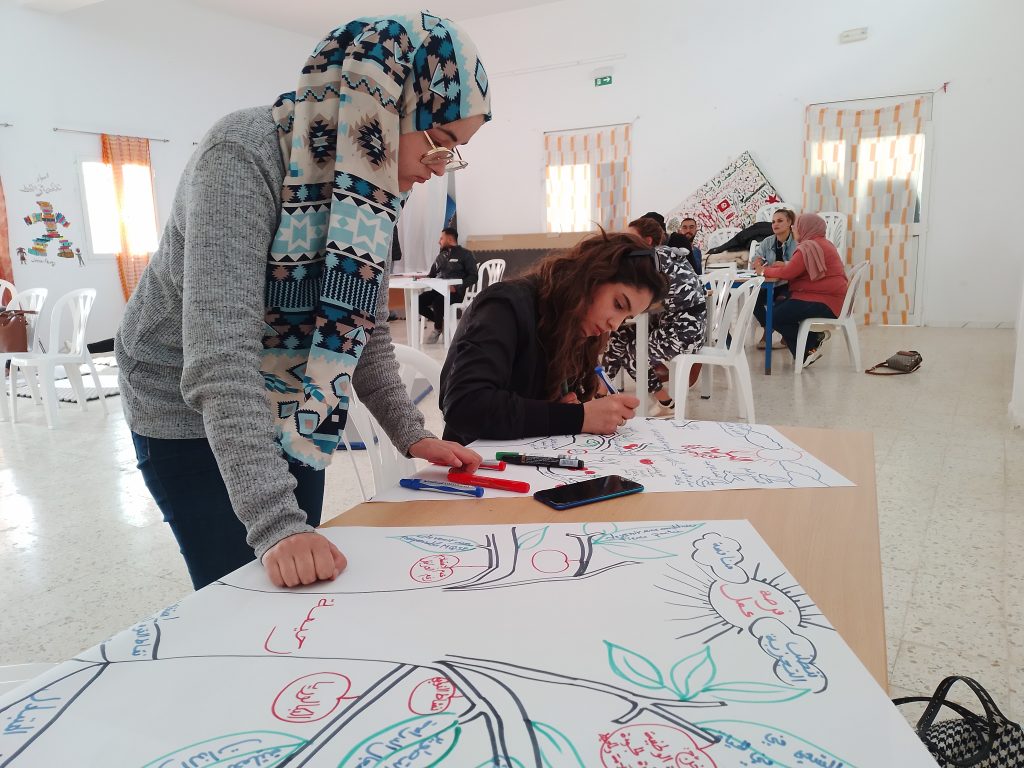
Participants exchange perspectives during the Africa Financial Inclusion Summit & Expo in Cape Town.
Financing the next step
To help address the gap between policy commitments and implementation, Roeland presented Aflatoun’s proposal for an Africa Financial Education Fund.
The proposed fund would bring together public, philanthropic and private financing to support national implementation, including teacher preparation, learning materials and assessment. It remains a proposal under development, with partners invited to help shape it.
The presentation also shared Aflatoun’s cost-benefit modelling across 39 African countries. It estimates that each $1 invested in national integration could generate approximately $15 in long-term social and economic benefits. This is a modelled estimate, not a measured result or a financial return promised to investors.
The keynote closed with a call to make financial education a national priority, embed it in education systems and finance partnerships that can deliver quality learning.
“Every African Child and Young Person Deserves Quality Financial Education,” reads the presentation’s closing call to action.
For Aflatoun, that ambition begins with the opportunities children have to learn today. We invite education leaders, financial-sector partners and funders to work with us to make those opportunities available to more children and young people.