






Partners in Zimbabwe and Malawi explore new ways to strengthen financial sustainability and collaboration through Aflatoun’s Partner Resilience Package.
What happens when the funding that communities depend on becomes uncertain? For many local organisations, this is no longer a distant concern. It is a question that shapes how they plan, deliver programmes and sustain their work.
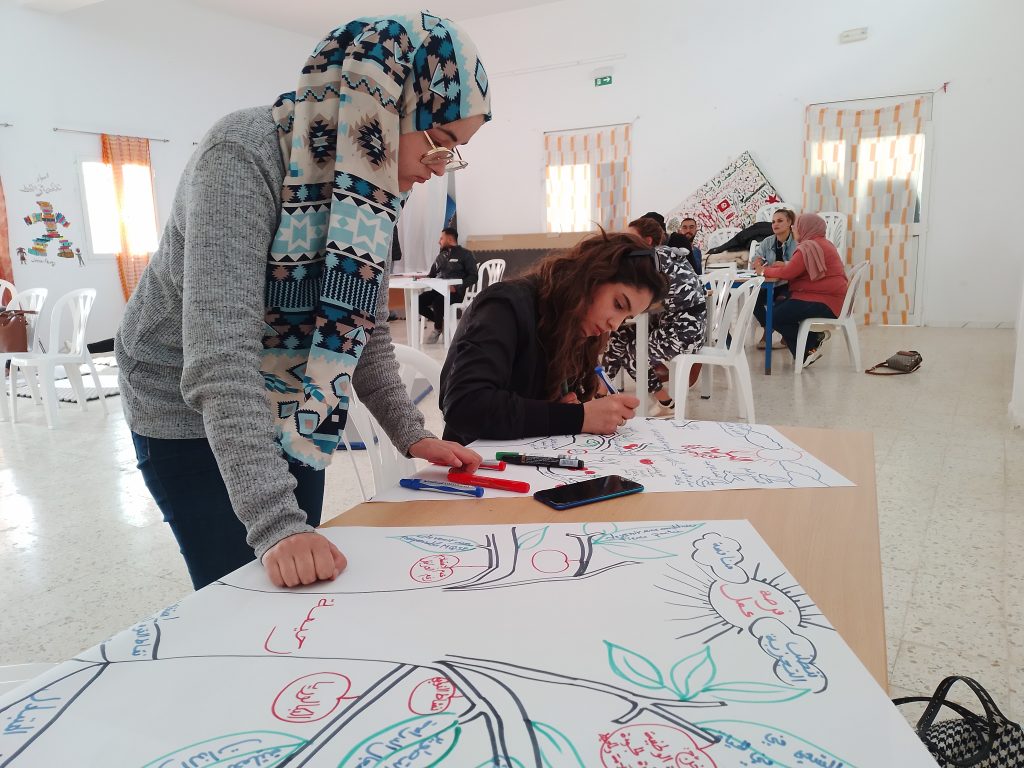
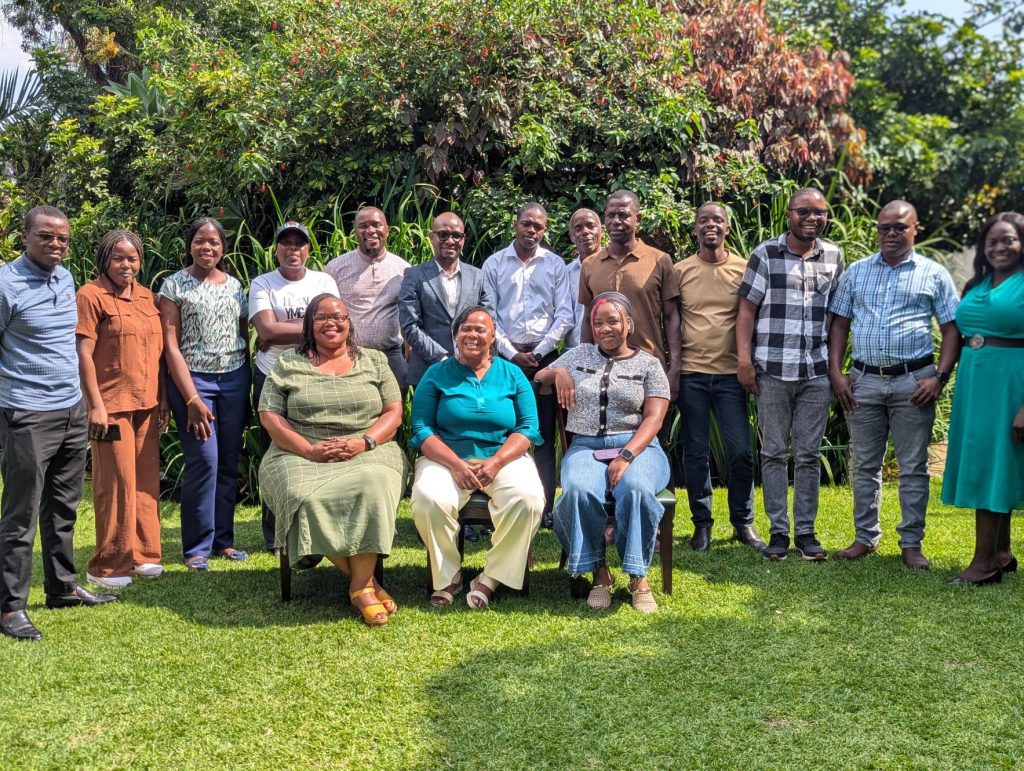
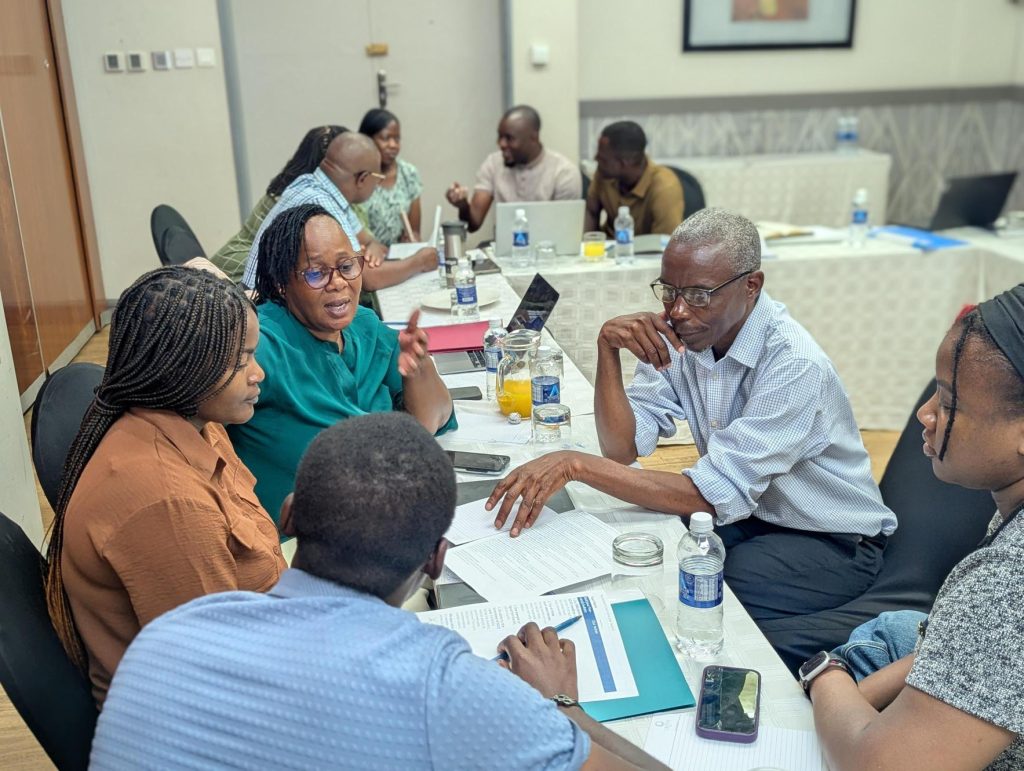
This week, Aflatoun International’s Partner Resilience Package, supported by Stichting Dioraphte, continues in Zimbabwe, bringing together ten organisations to explore practical ways to strengthen their financial resilience, diversify income and sustain their work with children and young people.
The workshop follows a similar training held in Malawi from 27 to 29 October 2026, as part of Aflatoun’s wider efforts to support the long-term sustainability of its partner network.
A call for stronger collaboration
The Zimbabwe workshop is hosted by the Hospice and Palliative Care Association of Zimbabwe (HOSPAZ), bringing together organisations working across education, community development and youth empowerment.
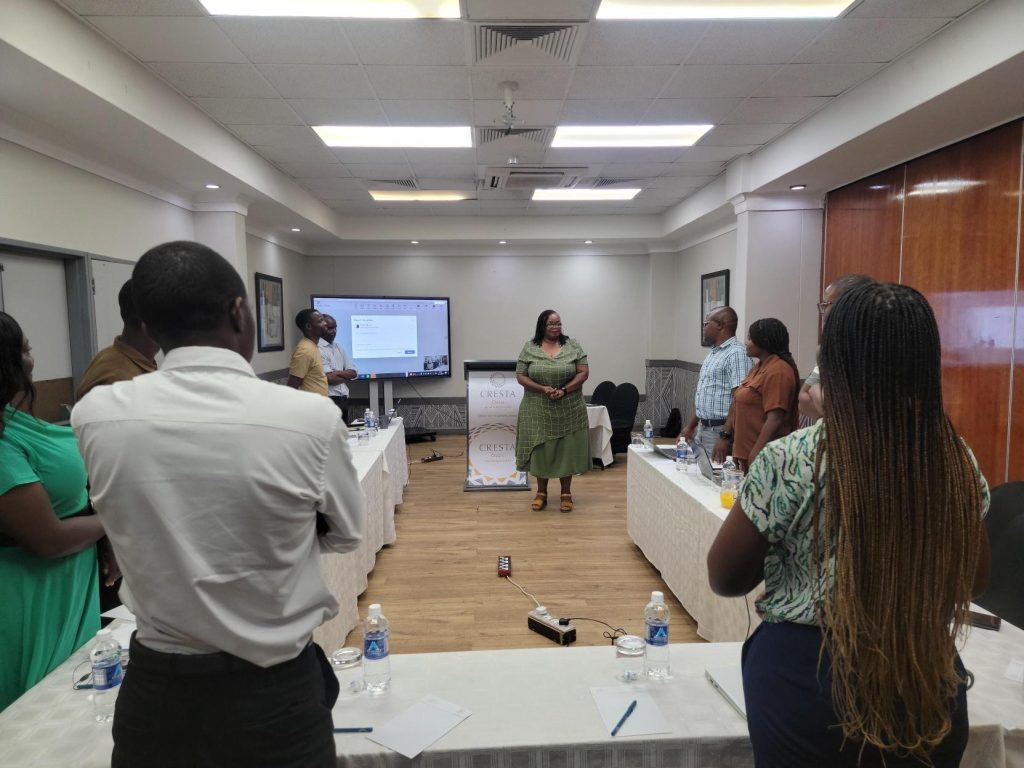
Opening the workshop, Lynn Gwenzi, Director of VIRL Social Foundation and Chairperson of the Zimbabwe Aflatoun Consortium, called on partners to recognise the importance of working together.
Her message centred on the idea that organisations are stronger in numbers. At a time when funding is increasingly uncertain, she encouraged partners to strengthen collaboration and work collectively to advance social and financial education across Zimbabwe.
The workshop brings together ten organisations:
Evangelical Fellowship of Zimbabwe
Faith Foundation
Hamundinzwi
Hospice and Palliative Care Association of Zimbabwe (HOSPAZ)
Junior Achievement Zimbabwe
Mavambo Orphan Care
Shamwari yeMwanasikana
VIRL Social Foundation
Zimbabwe National Council of YMCA (YMCA Zimbabwe)
Zimbabwe Network of Early Childhood Development Actors (ZINECDA)
Beyond bringing organisations into one room, the training provides an opportunity to examine their financial sustainability and consider how they can respond to changing funding conditions.
Rethinking financial sustainability
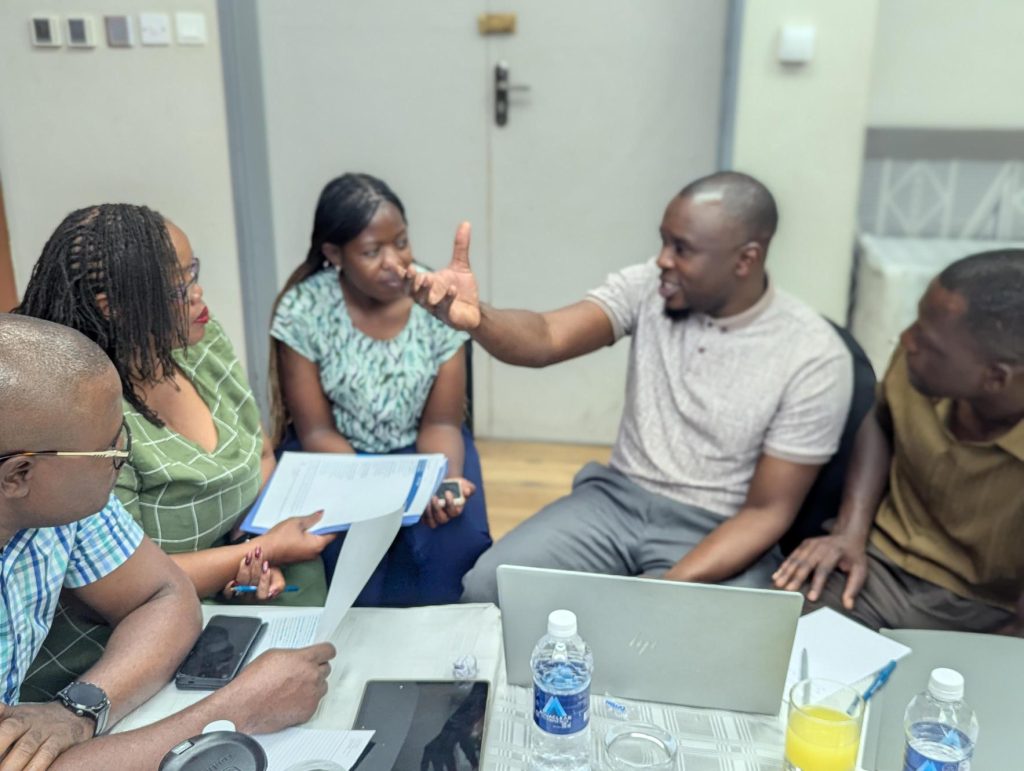
Through the Partner Resilience Package, Aflatoun is helping organisations look beyond traditional grant funding and explore different ways of generating income.
Rather than encouraging every organisation to start a business, the approach focuses on understanding financial risks, assessing organisational readiness and identifying opportunities that align with each organisation’s mission.
Participants are encouraged to consider their existing strengths, financial systems and the resources needed to pursue new opportunities responsibly.
The aim is to help organisations make informed decisions that protect their long-term work with communities.
Learning from Malawi
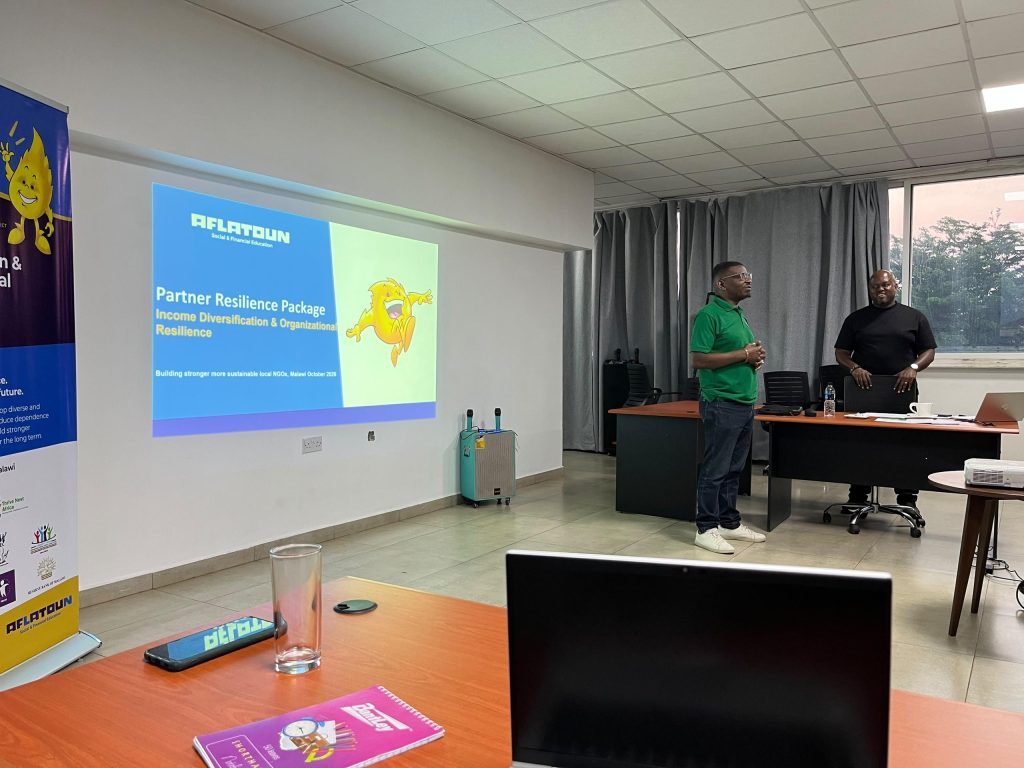
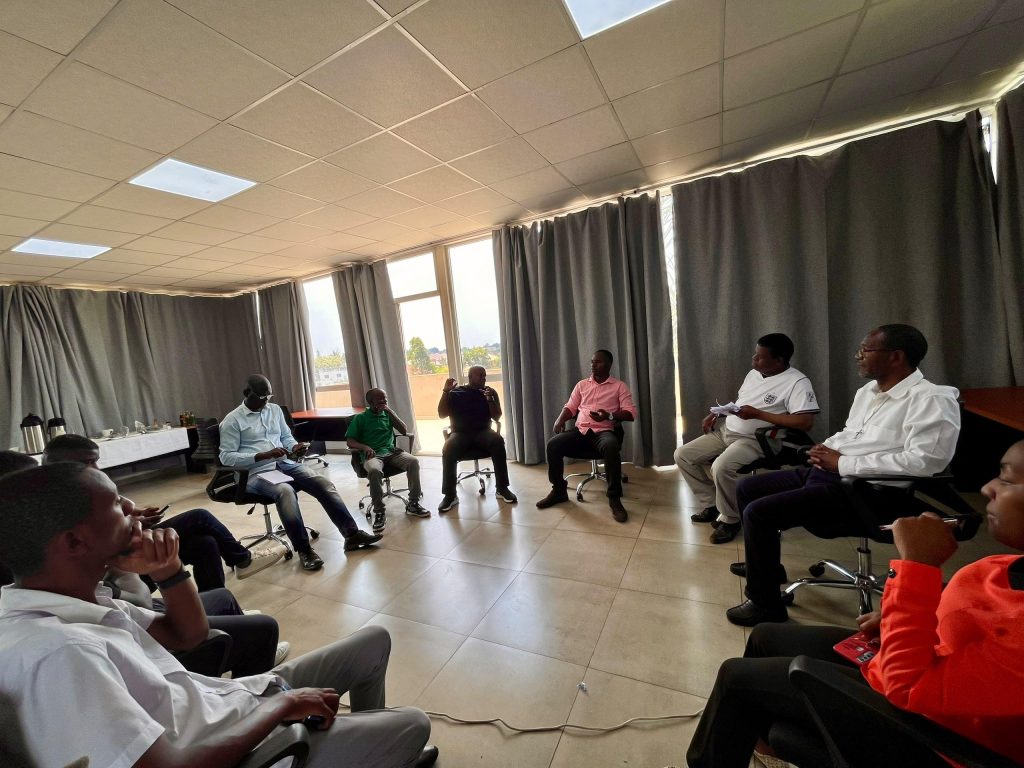
The Zimbabwe workshop builds on recent activities in Malawi, where nine partner organisations participated in training on income diversification and organisational resilience from 27 to 29 October.
Supported by Dioraphte and led by Tendai Carlton Saunyama, the sessions encouraged organisations to examine their financial dependence on donors, identify alternative income opportunities and consider ways to improve their sustainability.
An important development from the Malawi engagement was the announcement of the Aflatoun Malawi Consortium, providing a platform for stronger coordination, shared learning and collaboration among participating organisations.
The initiative reflects a growing recognition that financial sustainability requires not only stronger individual organisations but also networks that can share resources, experience and opportunities.
Keeping the mission at the centre
For Aflatoun, financial resilience is ultimately about ensuring that children and young people continue accessing social and financial education, even when funding circumstances change.
The need is clear. Aflatoun’s 2025 Annual Report highlighted how the end of USAID support affected network partners in Malawi and Zimbabwe, with ten organisations ceasing operations.
Through the Partner Resilience Package, Aflatoun is working with partners to reduce these risks, strengthen organisational decision-making and develop more sustainable approaches to delivering programmes.
The initiative has already brought partners together in Kenya, Malawi and Uganda, with Zimbabwe marking another important step in this learning journey.
As the Zimbabwe workshop continues, Lynn Gwenzi’s opening message offers a timely reminder: lasting progress depends not only on the strength of individual organisations, but also on their willingness to work together.
Aflatoun International thanks Stichting Dioraphte for supporting this initiative, HOSPAZ for hosting the Zimbabwe workshop, and all participating organisations for their continued commitment to social and financial education.