







Why learning from one another deserves a place in every classroom.
Imagine a child who has just understood a difficult lesson turning to a classmate to explain it. Should the teacher ask them to stop talking, or encourage them to continue?
Research suggests that this moment, when properly supported, can be a valuable learning opportunity for both children.
Peer learning encourages children to share knowledge, explain ideas and learn from one another. But its effectiveness depends on how it is organised.
What does the evidence tell us?
According to the Education Endowment Foundation, peer tutoring can support an average of six additional months of learning progress over an academic year. Both the children receiving support and those doing the teaching benefit.
The potential extends beyond academic learning.
A 2008 study published in The Lancet, involving 10,730 students across 59 schools, explored whether trained peer supporters could influence smoking behaviour among adolescents.
After one year, the odds of weekly smoking were 23% lower in schools participating in the intervention. However, by the second year, the difference was no longer statistically significant.
This highlights an important lesson: peer learning requires preparation, guidance and continued reinforcement.
Learning through leadership
At Aflatoun International, children are encouraged to take an active role in shaping their learning experiences.
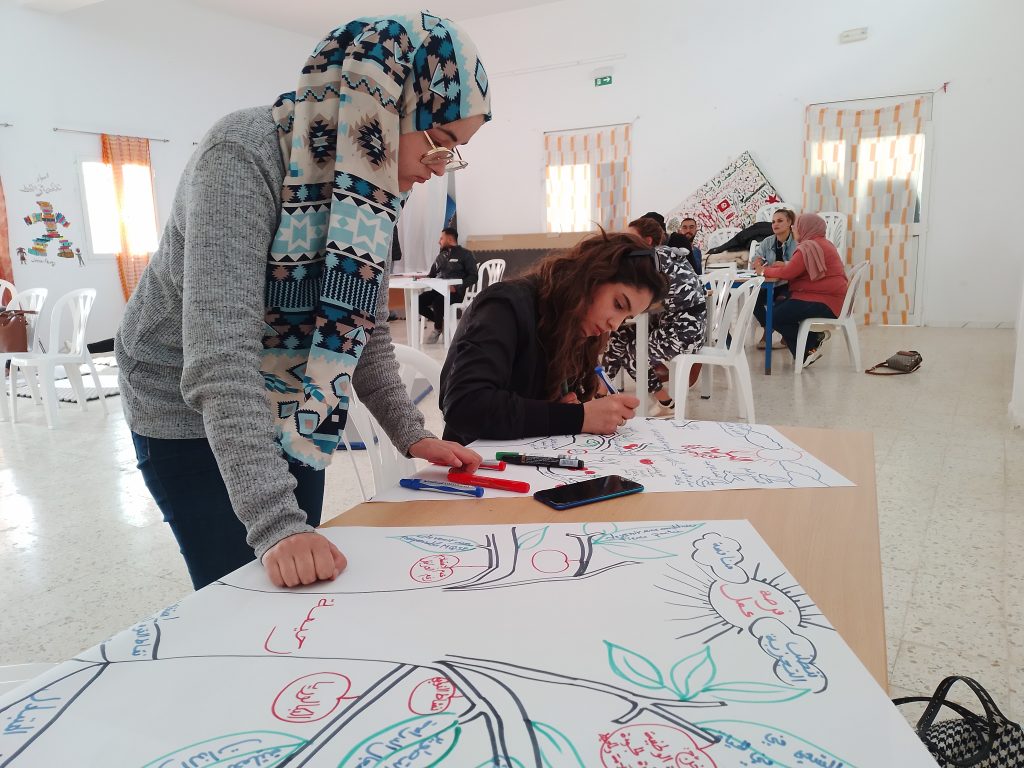
Through children’s clubs and social and financial education programmes, young people have opportunities to lead activities, share knowledge and work towards common goals.
In India, children elected club leaders and participated in gatherings where students from different schools exchanged their learning experiences.
In Benin, young people designed their own weekly AflaTeen+ sessions. In Honduras, a youth-led facilitation initiative targeted 5,200 young people, with participants taking on roles as peer educators.
These approaches complement Aflatoun’s core curricula, including AflaToun, AflaTeen and AflaYouth, which encourage active participation, collaboration and practical learning.
Taking learning beyond the classroom
Between 2021 and 2024, Aflatoun’s AflaTeen+ initiative in Benin, the Democratic Republic of the Congo and Senegal engaged more than 21,000 adolescents through over 580 clubs.
Individual experiences illustrate how learning can extend into communities.
In Kinshasa, a boys’ club started a poultry business. In Bignona, a girls’ group produced a community radio programme promoting gender equality and youth savings. In Porto-Novo, a 16-year-old participant shared her budgeting knowledge with her siblings.
These experiences show how young people can become contributors to learning, rather than simply recipients of it.
Making space for every learner
Peer learning does not replace teachers. Instead, it provides another way for educators to help children develop confidence, communication skills and a deeper understanding of what they learn.
Sometimes, explaining an idea to someone else is the moment we begin to understand it better ourselves.
For teachers, facilitators and parents, the question is simple: where could a child teach something this week?
Learn more about Aflatoun’s social and financial education programmes at aflatoun.org.
Further reading
Education Endowment Foundation: Peer tutoring
Campbell et al. (2008), The Lancet: ASSIST study
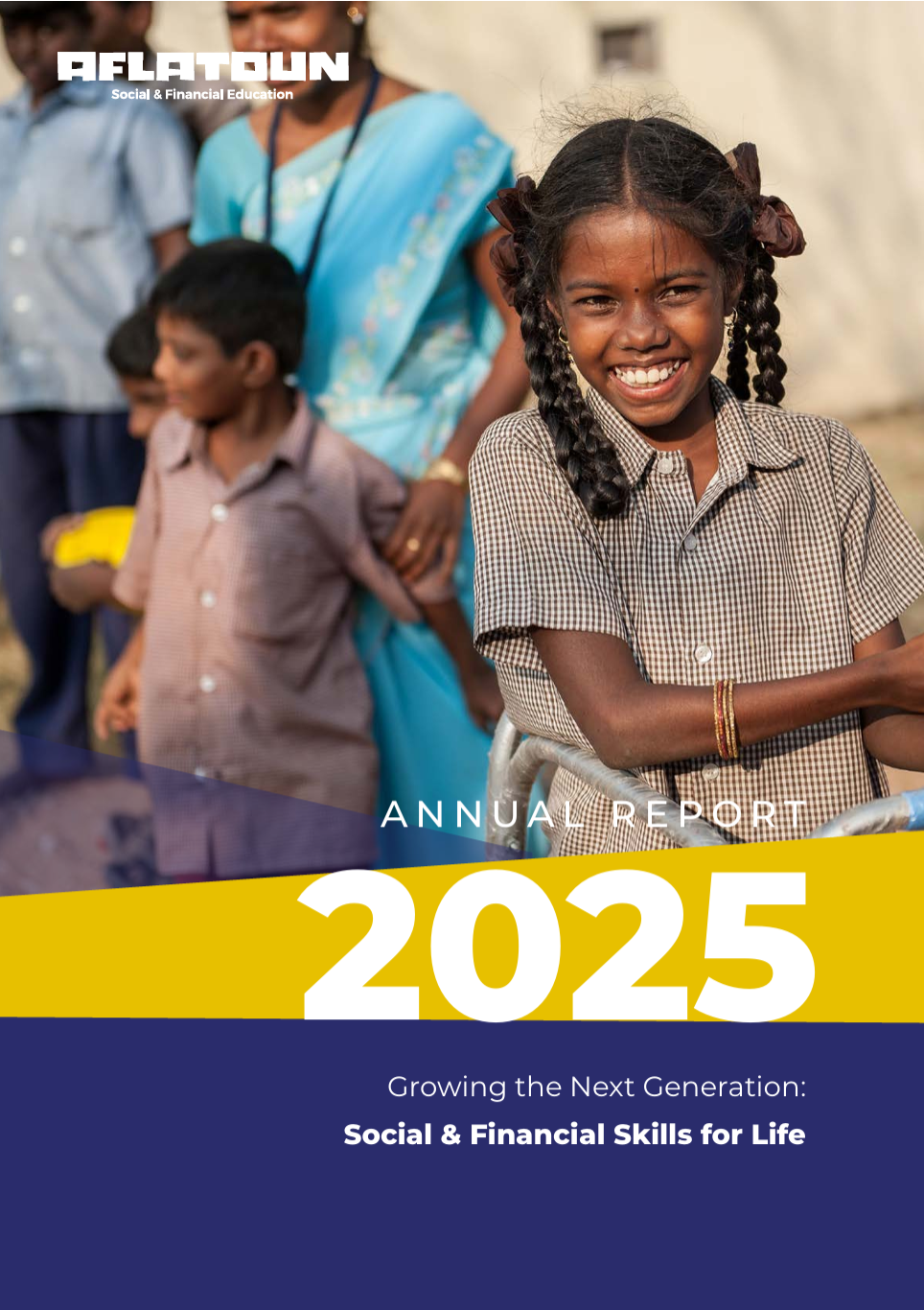
Aflatoun International: Annual Report 2025
Aflatoun International: Empowering adolescents through life skills and financial education (2021–2024)