







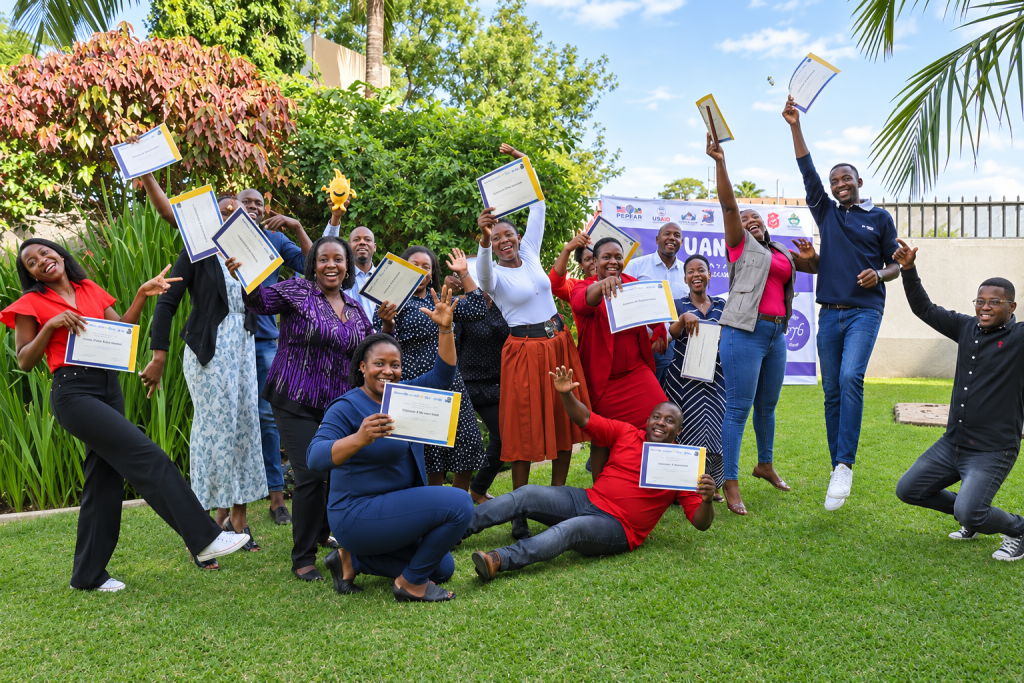
Boyce Mafeni, an Aflatoun Master Trainer from Thrive Nest Africa, reflects on what years of facilitating social and financial education across Africa have taught him about youth empowerment.
What does it really take to empower a young person? Is it teaching them how to save, start a business or manage money? Or is there something more?
For Boyce Mafeni, an Aflatoun Master Trainer with Thrive Nest Africa, years of facilitating social and financial education across Ethiopia, Ghana, Malawi, Mozambique and Zimbabwe have reinforced one important lesson: economic skills alone are not enough.
“Youth empowerment is not just about economic skills. It’s about confidence, self-awareness, and social responsibility,” he explains.
Learning beyond money
Through his experience, Boyce has seen how Aflatoun’s approach connects financial education with personal development.
Young people learn about budgeting, saving and entrepreneurship, but they also explore their goals, values and responsibilities within their communities.
For many participants, this changes how they understand financial education. What begins as a lesson about money becomes an opportunity to build confidence, make informed decisions and recognise their potential.
Making learning practical
One of the most valuable aspects of the Aflatoun approach, according to Boyce, is its emphasis on active learning.
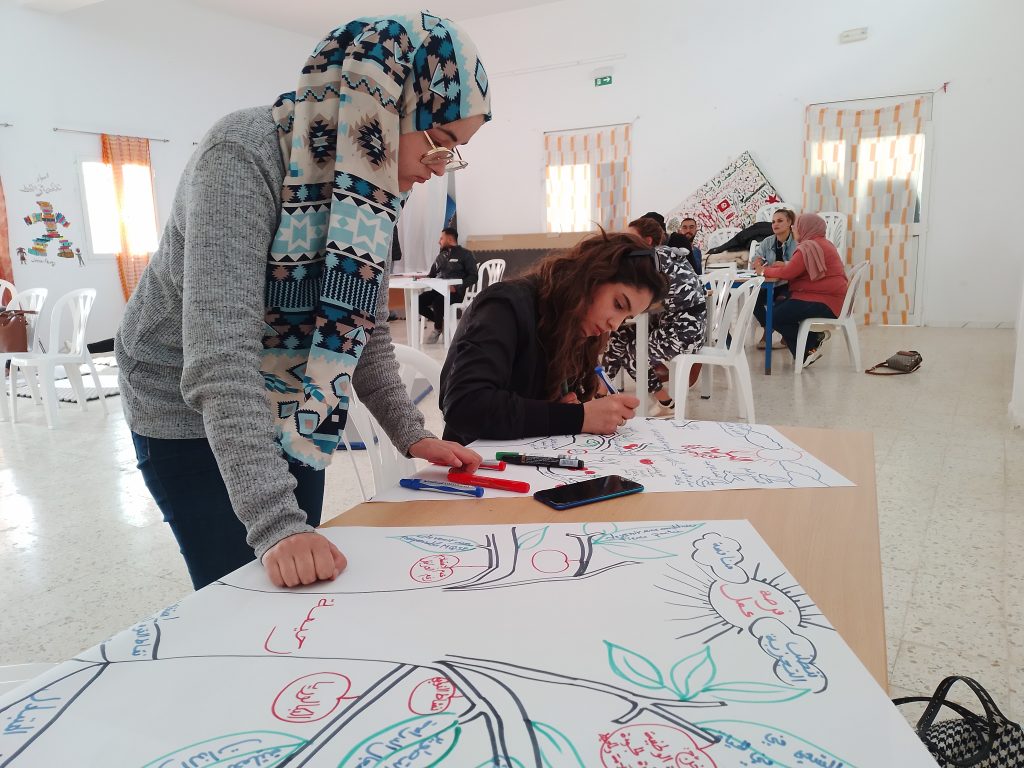
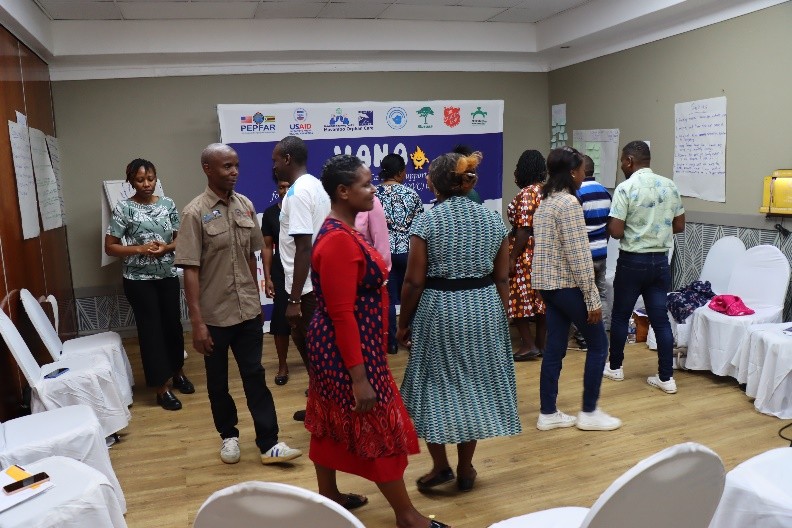
Rather than simply listening to presentations, young people participate in role plays, storytelling, games and group discussions.
These activities encourage them to share experiences, learn from one another and connect lessons to their everyday lives.
Across the countries where he has facilitated training, Boyce has observed similar responses from participants. Many value the practical exercises, opportunities for peer learning and confidence gained through speaking, leading and developing business ideas.
For him, these moments demonstrate the importance of creating learning environments where young people can actively participate.
Why mentorship matters
However, Boyce has also learned that training alone cannot guarantee lasting change.
While workshops can introduce valuable skills and ideas, young people need opportunities to practise what they have learned.
Continued mentorship, follow-up support and practical application can help them build on their knowledge and navigate challenges as they arise.
This is particularly important for young people beginning their entrepreneurial journeys, where confidence, planning and guidance can be just as valuable as technical knowledge.
Building skills that last
Boyce’s experience reflects a central principle of Aflatoun’s social and financial education approach: learning should equip young people not only to manage resources but also to understand themselves and make decisions about their futures.
His reflections offer an important reminder for educators and organisations working with young people.
Financial education is most powerful when it continues beyond the training room, combining practical learning, mentorship and opportunities to apply new skills.
As Boyce’s experience shows, empowering young people is not simply about teaching them what to do with money. It is also about helping them recognise what they are capable of achieving.
About the contributor
Boyce Mafeni is an Aflatoun Master Trainer associated with Thrive Nest Africa. He has facilitated social and financial education across Ethiopia, Ghana, Malawi, Mozambique and Zimbabwe.
Connect with Boyce on LinkedIn
For collaboration: [email protected]