






Montenegro is showing how financial literacy can move from policy to practice. A nationally accredited teacher training programme has been developed to help educators bring financial literacy and social entrepreneurship into everyday learning, marking the country’s concrete steps toward embedding life skills across the education system.
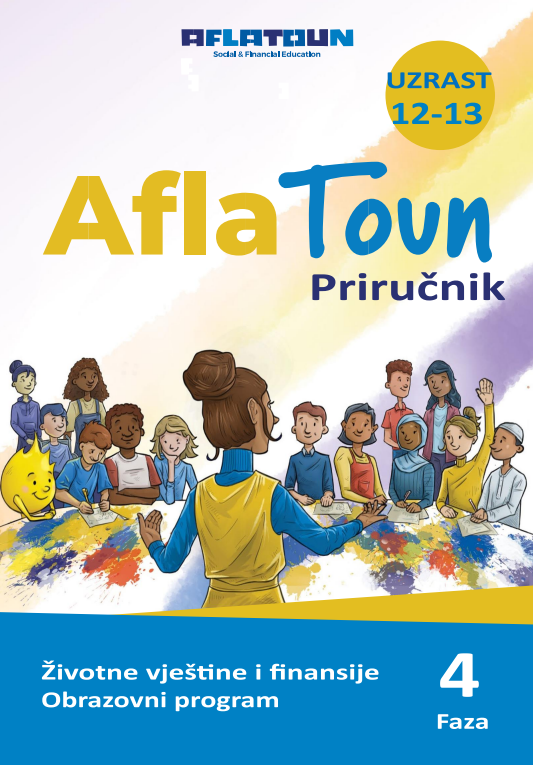
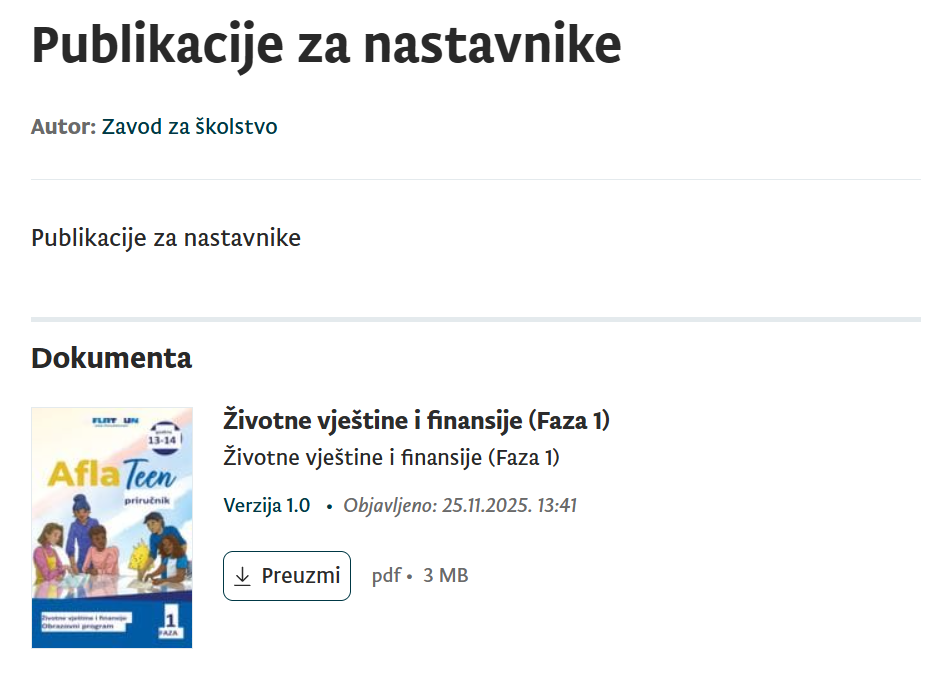
The programme was built through collaboration between the Bureau of Education Services, the Central Bank of Montenegro, and Aflatoun, and it goes beyond training alone. Two curricula, designed for learners aged 13–14 and 15–16, were translated and adapted for local classrooms, giving teachers practical, age-appropriate resources they can use immediately. They were published on a publicly accessible online platform, which supports continued learning and exchange after the training ends. Pilots across preschool, primary, and secondary education showed that the approach can work at every stage of a learner’s journey. Teachers valued the practical methods, critical thinking, and experience-sharing, with the programme exceeding an average rating of 4.9 out of 5.
What makes this story especially important is its alignment with Montenegro’s Education Reform Strategy 2025–2035, which identifies financial literacy and social entrepreneurship as cross-curricular priorities. By investing in teachers and locally relevant resources, the initiative is helping turn reform goals into classroom reality. It is also giving children and young people the confidence, skills, and habits they need to make informed decisions and build stronger futures. As this work continues, there is real potential to deepen its reach and impact, and Aflatoun is grateful to all the educators and partners whose commitment is helping make that future possible.
23 July 2026