Energising the global movement for social and financial education. In the midst of a global education crisis that has left millions of children and youth on the margins, the Aflatoun network of partners stands as a source of inspiration and positive change.
The world is rapidly changing and becoming more complex. It is more important than ever before that children gain social and financial skills to learn to get along and get ahead in life.
Vision
Socially and economically empowered children and young people who act as agents of change in their own lives for a more equitable world.
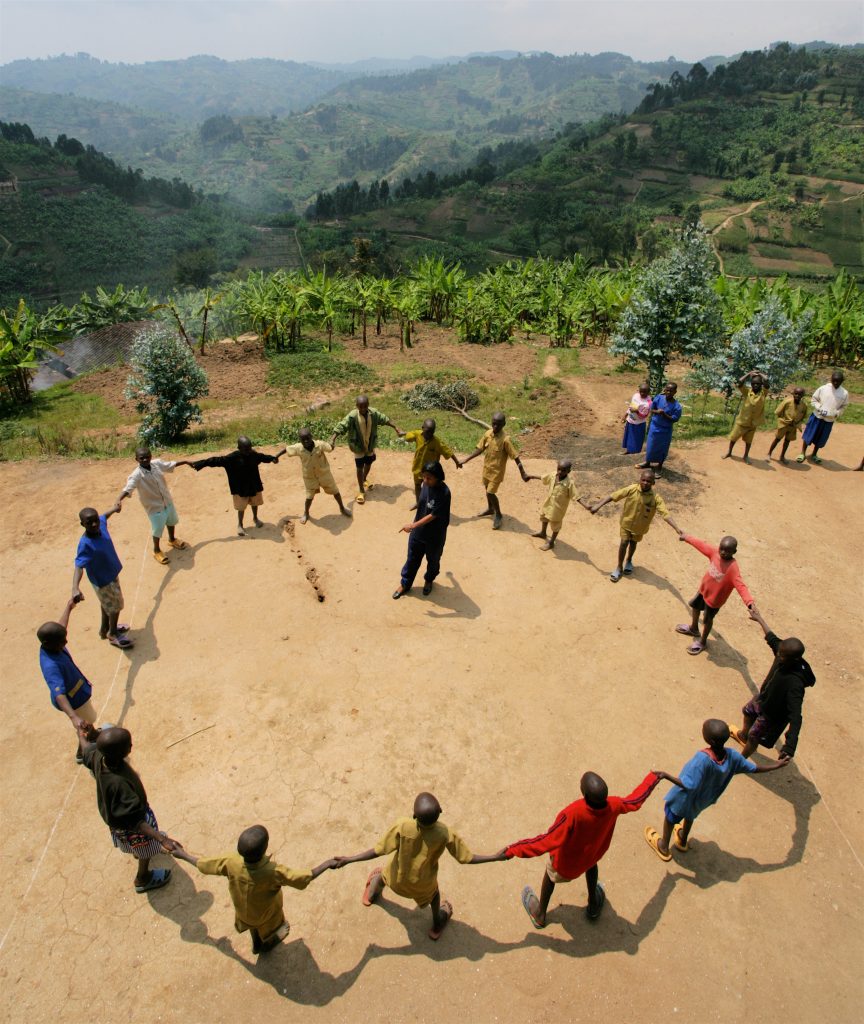
AFLATOT The early years of a child offer a unique opportunity to shape their development. In the Aflatot curriculum three to six year-olds gather the building blocks of social and financial literacy before they reach primary school.
Building income without losing the mission: Partner Resilience Package pilot workshop, Nairobi, Kenya, 7-9 October 2026
For organisations that support children and young people, a funding gap is never only a number in a budget. It can decide whether a savings club keeps meeting or a youth programme runs for another year.
We have seen this in our own network. Our 2025 Annual Report records that ten Aflatoun partners across Malawi and Zimbabwe ceased operations following the end of support funded by the United States Agency for International Development (USAID). Others reduced activities or delayed implementation.
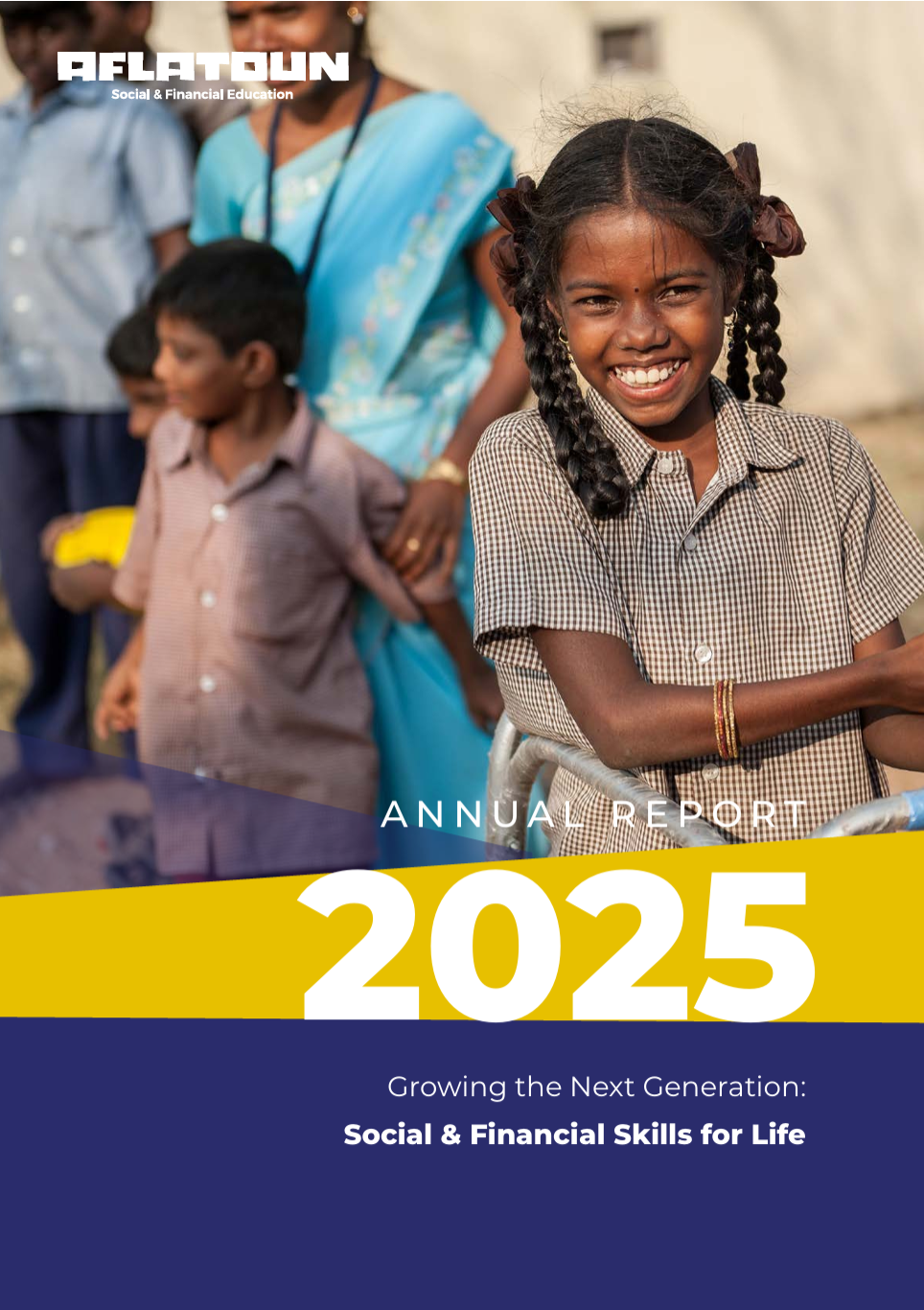
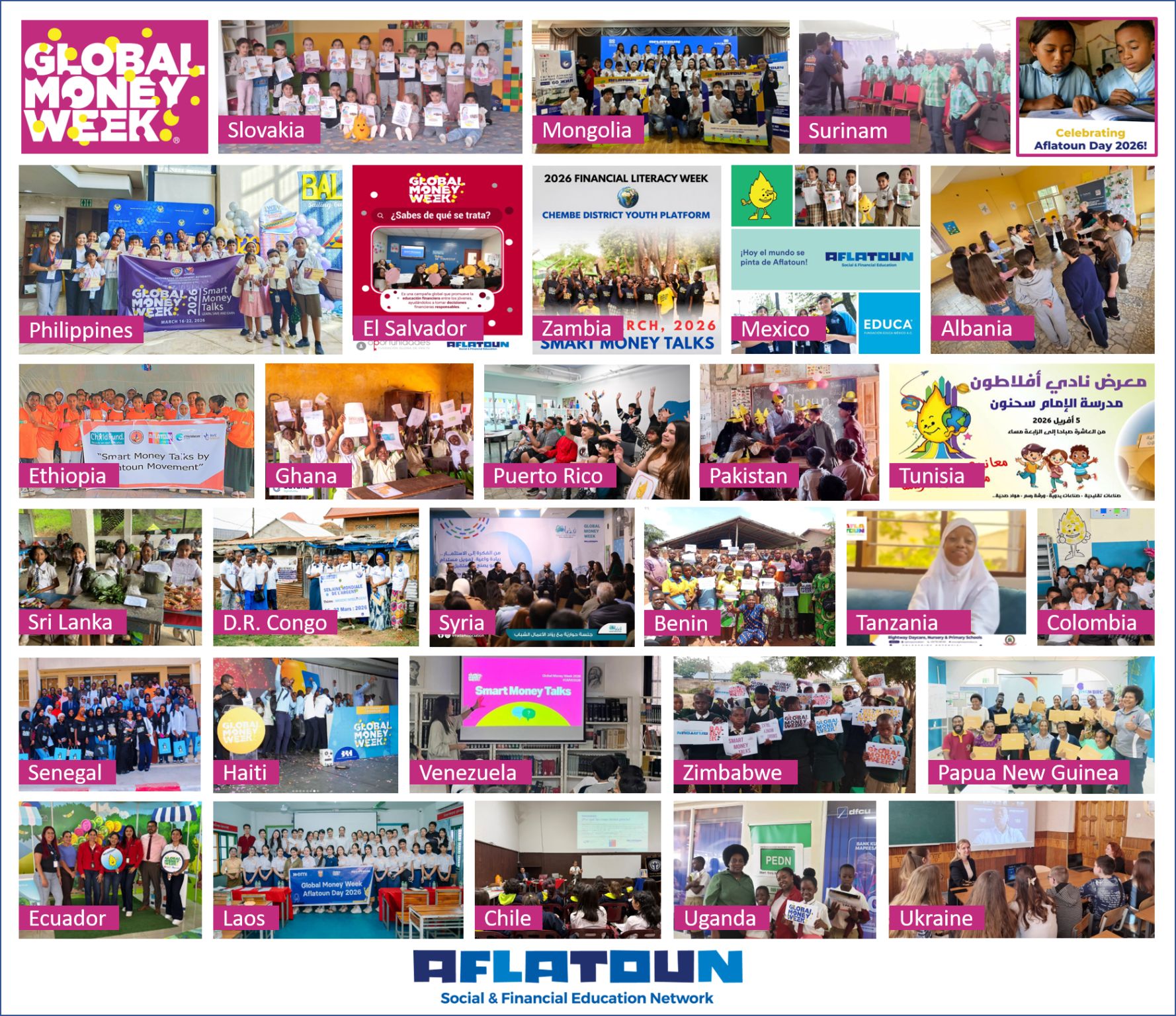
In 2025, our global partner network reached 2.7 million children. Sustaining that work requires organisations to adapt when funding changes.
That is why financial resilience matters: an organisation’s ability to keep its work going through uncertainty.
A reflective workshop, not a lecture
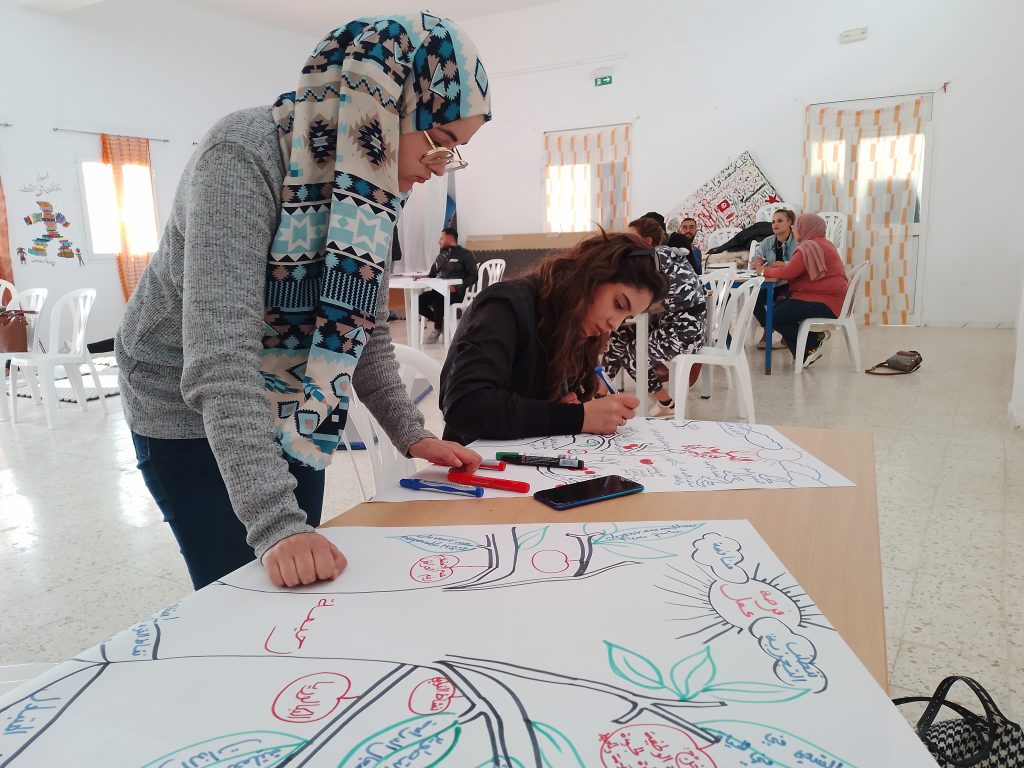
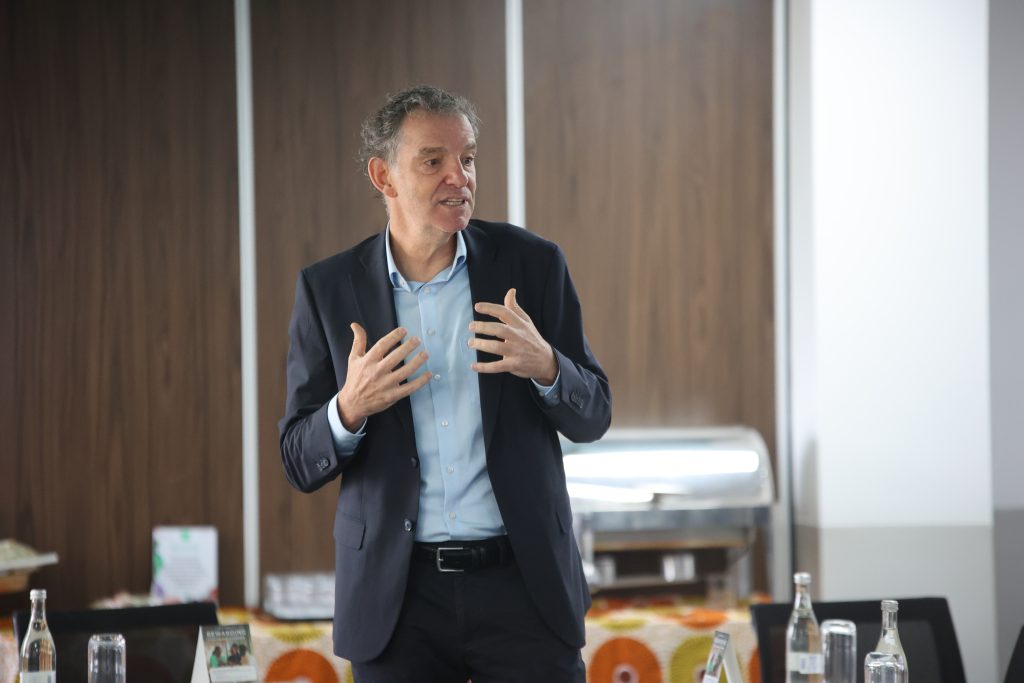
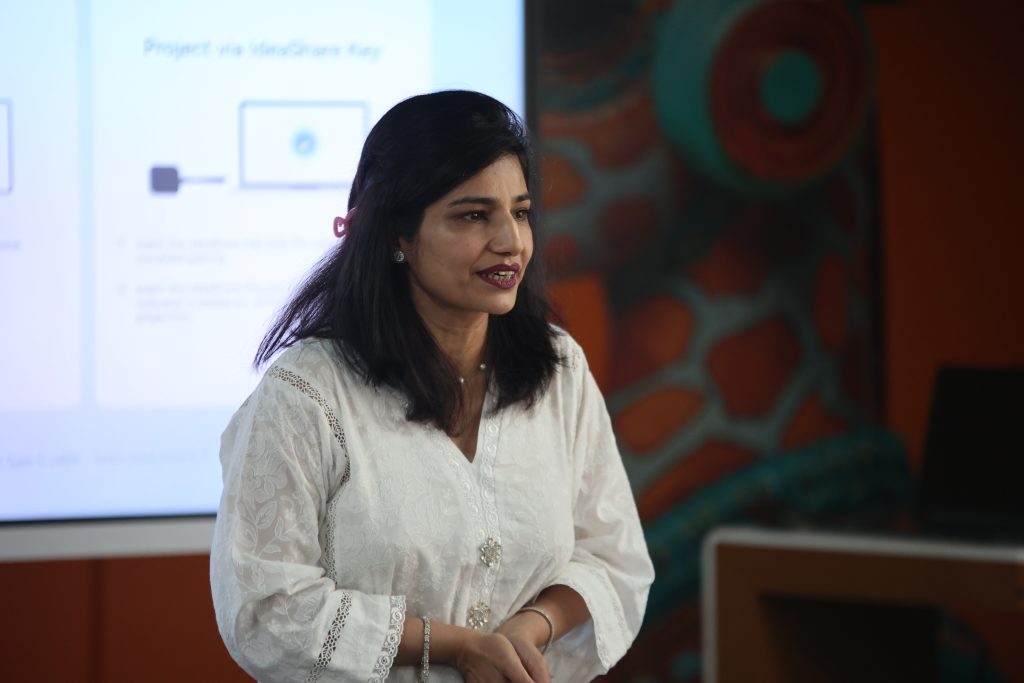
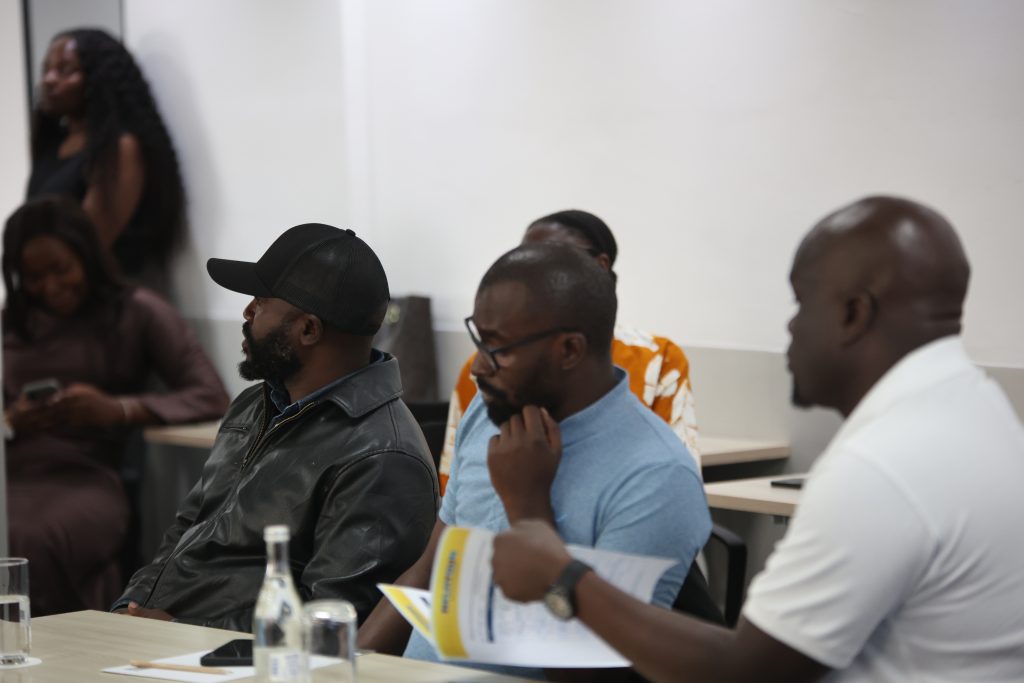
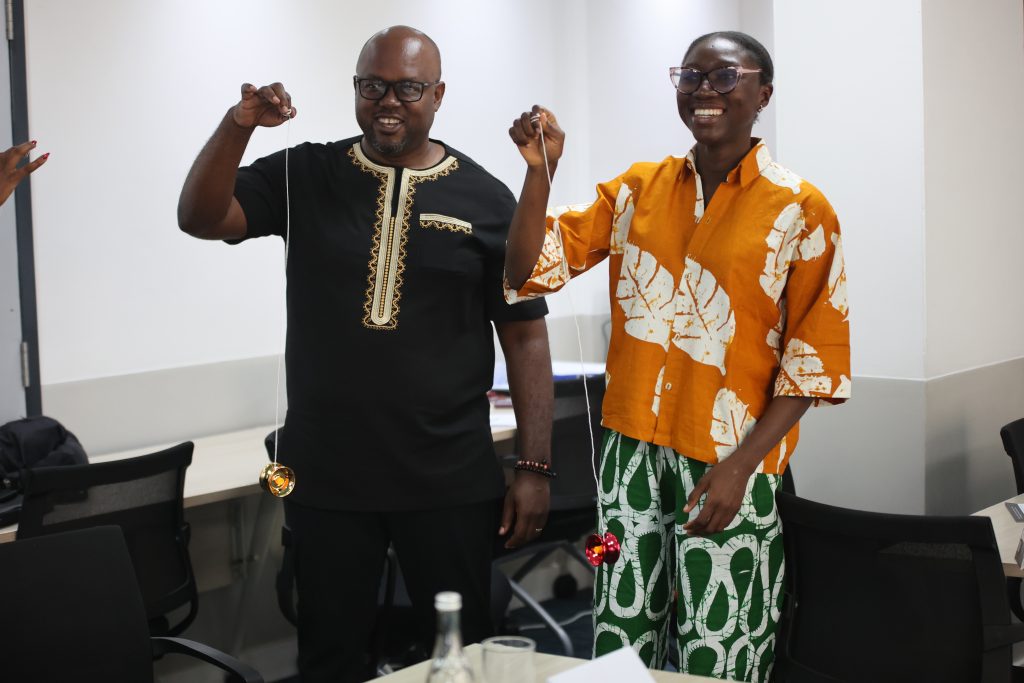
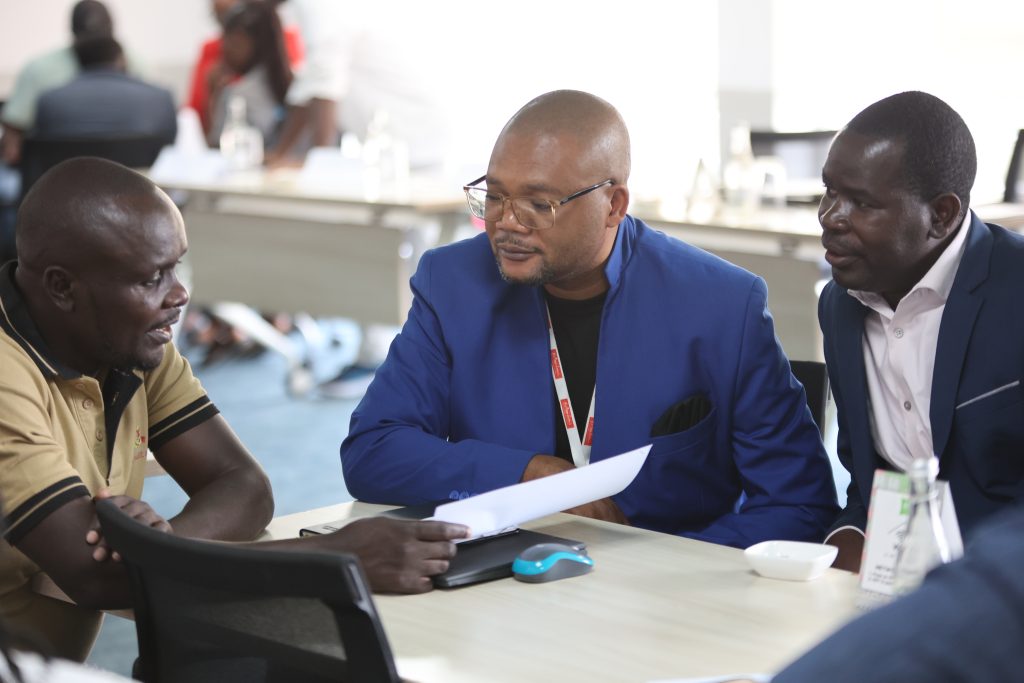
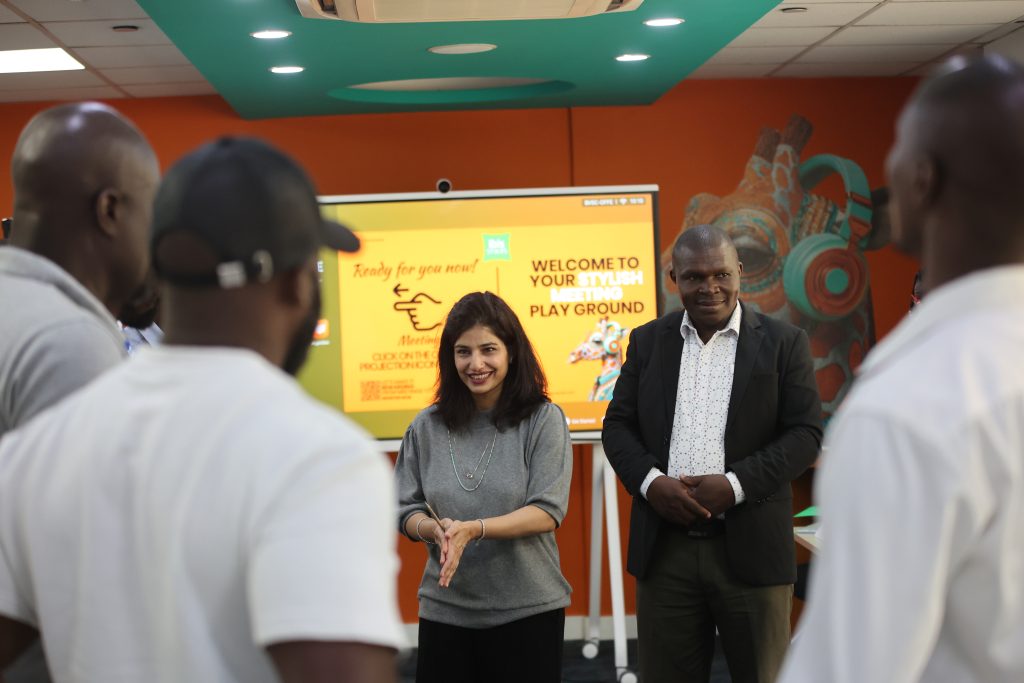
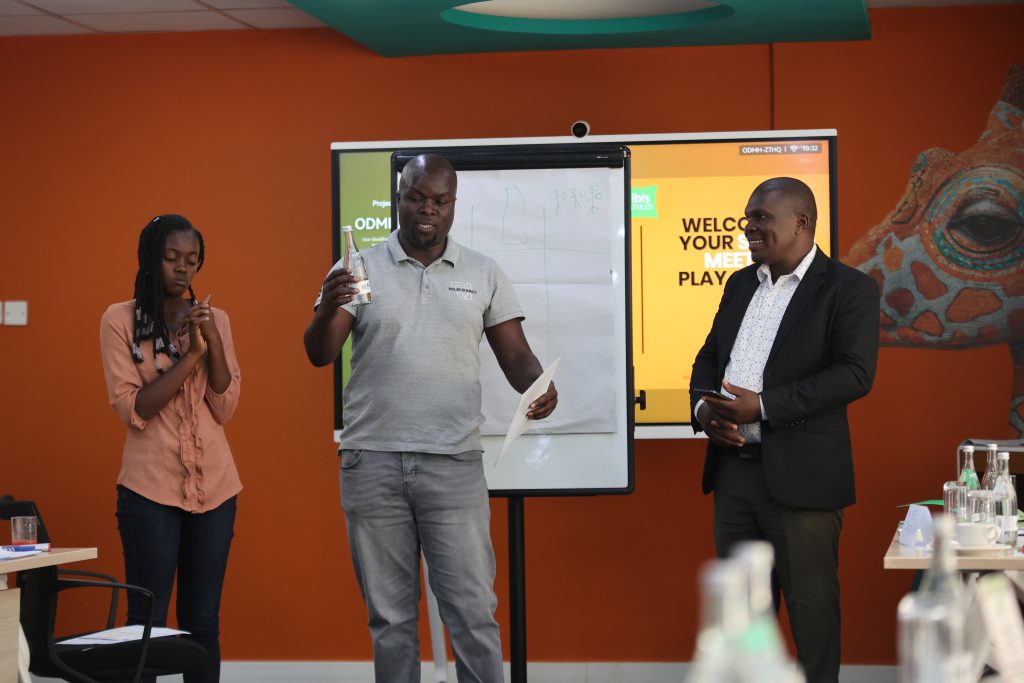
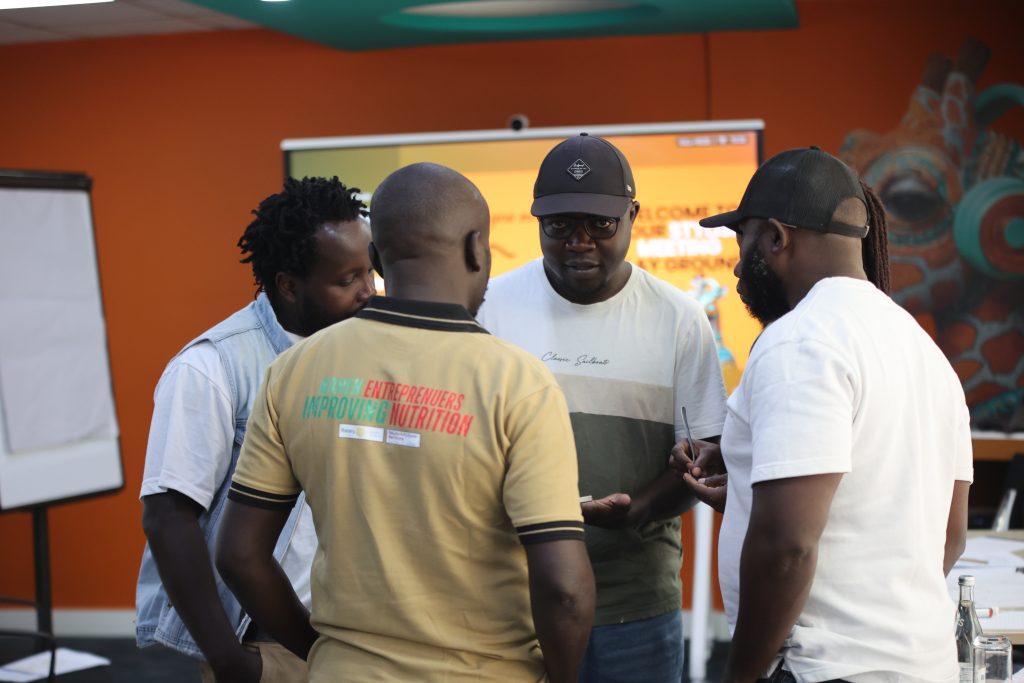
From 7 to 9 October, partner organisations from our network met in Nairobi for the pilot workshop of the Partner Resilience Package.
Built on a needs assessment with partners, the package helps organisations explore income diversification: developing different sources of income, so that one funder’s decision cannot put all their work at risk. Done in a hurry, earning income can pull an NGO away from its mission, stretch its staff or cost the trust of its community. So the question was never only how to earn more, but how to do it safely, at the right scale and for the right reasons.
Apart from the opening module, teams worked on their own evidence: they reviewed it, reflected on it and made their own decisions. Their information stayed with them, and each team measured its progress only against its own starting point.
Three days, one connected journey
Day 1 began with why change is needed now. Partners looked at donor dependency, meaning reliance on one donor or grant so heavy that the work would stall if it ended. They explored changing funding trends and what other NGOs have learned from success and failure. Teams then looked honestly at their own finances, systems and readiness. The most cautious of three readings (existing income streams, readiness and risk) set how much change each could safely take on for now.
Day 2 turned to leadership, because developing new income is a leadership decision, not a task for the fundraiser alone. The package recognises four honest positions: Go, Conditional Go, Not Yet and Decision Pending. Teams whose decision-maker was not in the room could build a case to take home instead.
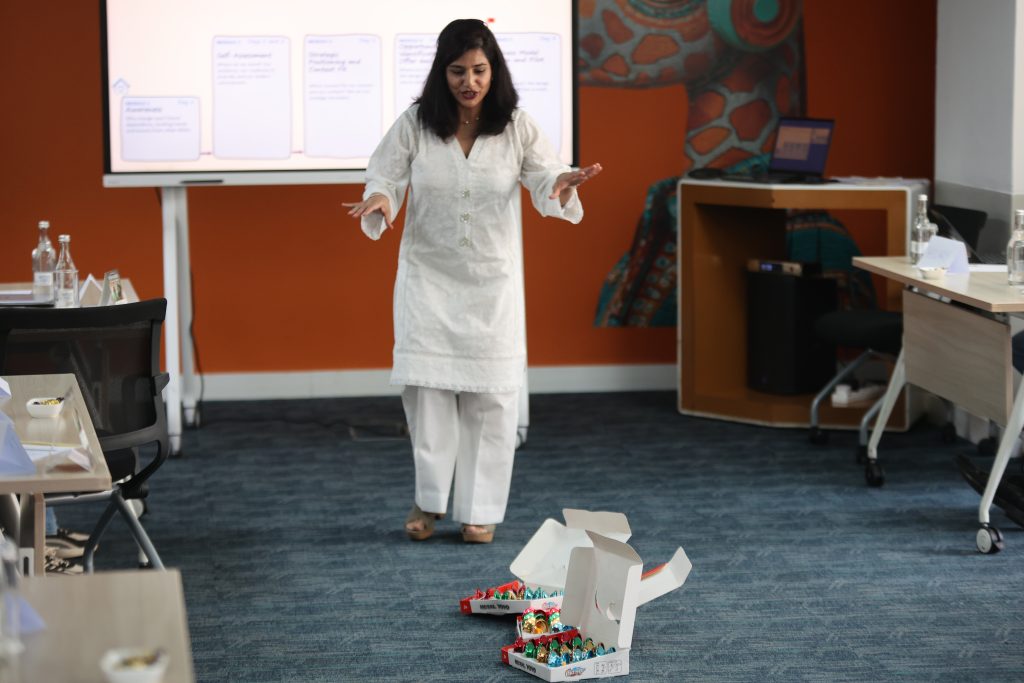
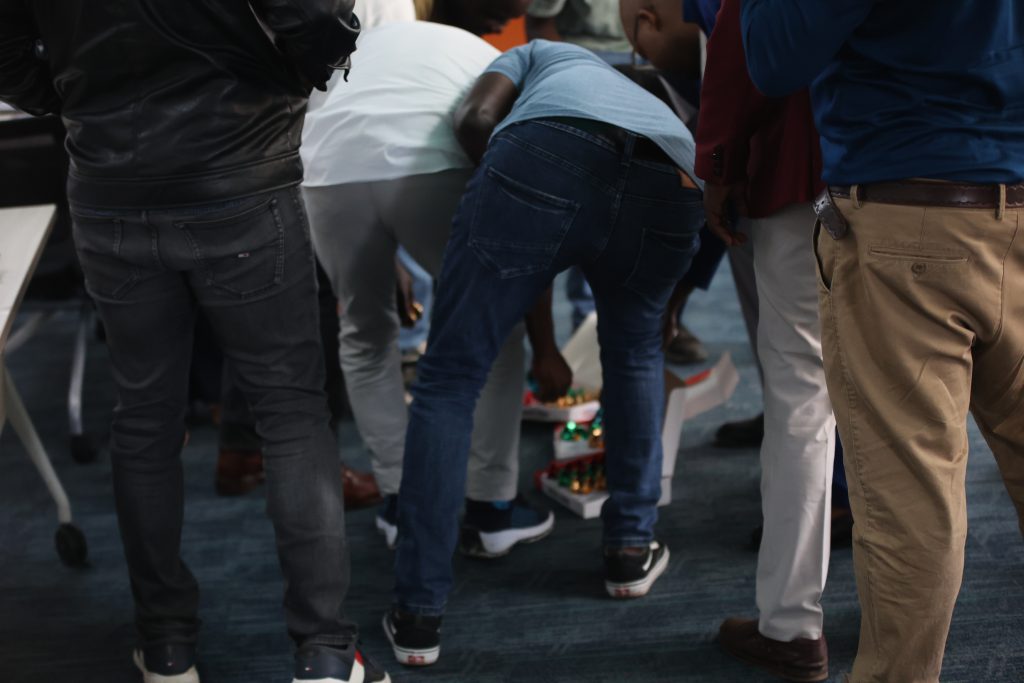
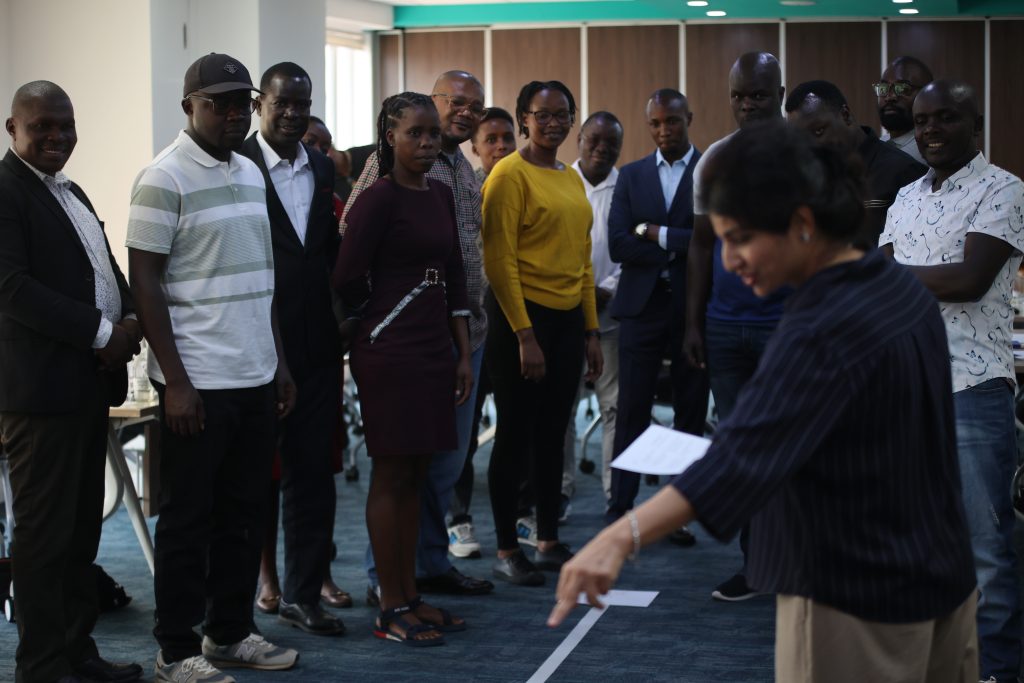
Partners then drew a boundary around the kinds of income that fit their mission and context, before looking for ideas. In the “Mission Line” exercise, they placed example income ideas on a line between “mission-serving” and “mission-drifting”. Only then did teams look for real needs in their communities and shape a few possible offers around what they already do well.
Day 3 asked whether one chosen offer could work with the people, time and money each organisation really has, then turned to its costs, delivery and marketing. In the “Sunday Market” game, participants used play money to sell an ordinary pen as the answer to a problem in the room. The lesson: people pay for a solution, not a product.
The final session focused on a manageable pilot: a small, time-limited test with an affordable spending limit, an end date, the evidence to gather and a point to pause and decide. For teams not yet ready to test, the next step could be a brief for their leaders or a plan to strengthen their systems first. Both are sound decisions.
Support after the workshop
Before leaving, each team was asked to choose a first mentoring date and map its next steps at 30, 60 and 90 days. Our team will follow up through online mentoring or written feedback, whichever suits each organisation.
We are grateful to Dioraphte for funding this initiative, and to Abdullah Dzinamarira Foundation for its support. Thank you, too, to every partner organisation for giving three days to this work.
Why it matters
Financial resilience is not about turning NGOs into businesses. It is about continuity: the club that keeps meeting, the facilitator who stays, and the young people who can keep relying on an organisation they trust. A careful step, taken on good evidence and with the mission in view, protects that continuity.
X
Cookies on this website
We use cookies for statistics and to show videos and maps from other services (YouTube, Google Maps). They are only placed with your consent. You can change your choice at any time. Privacy policy