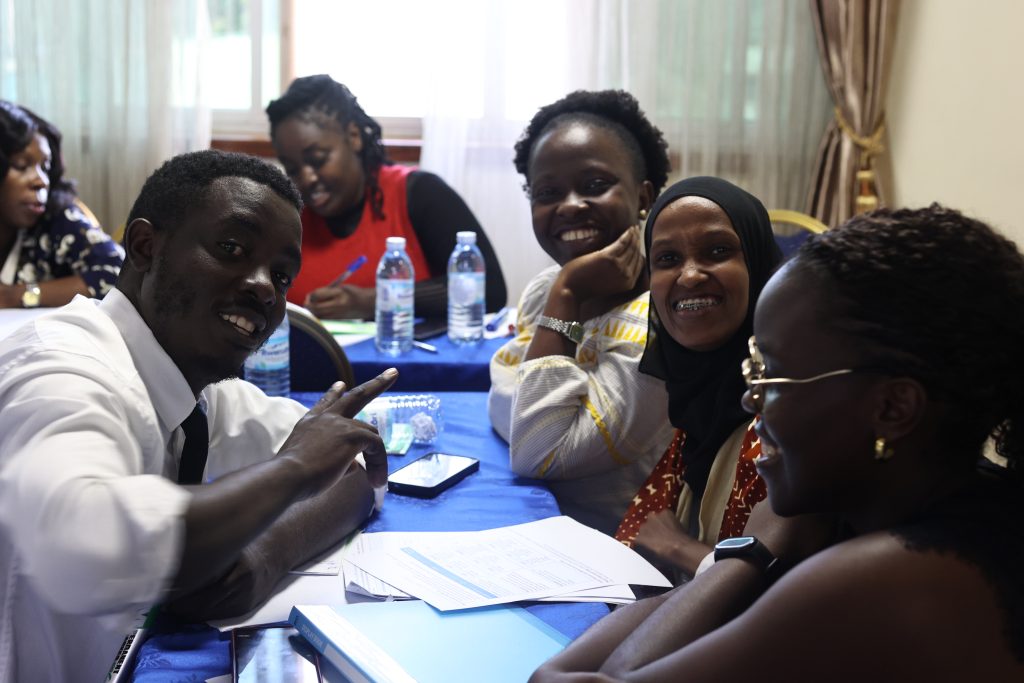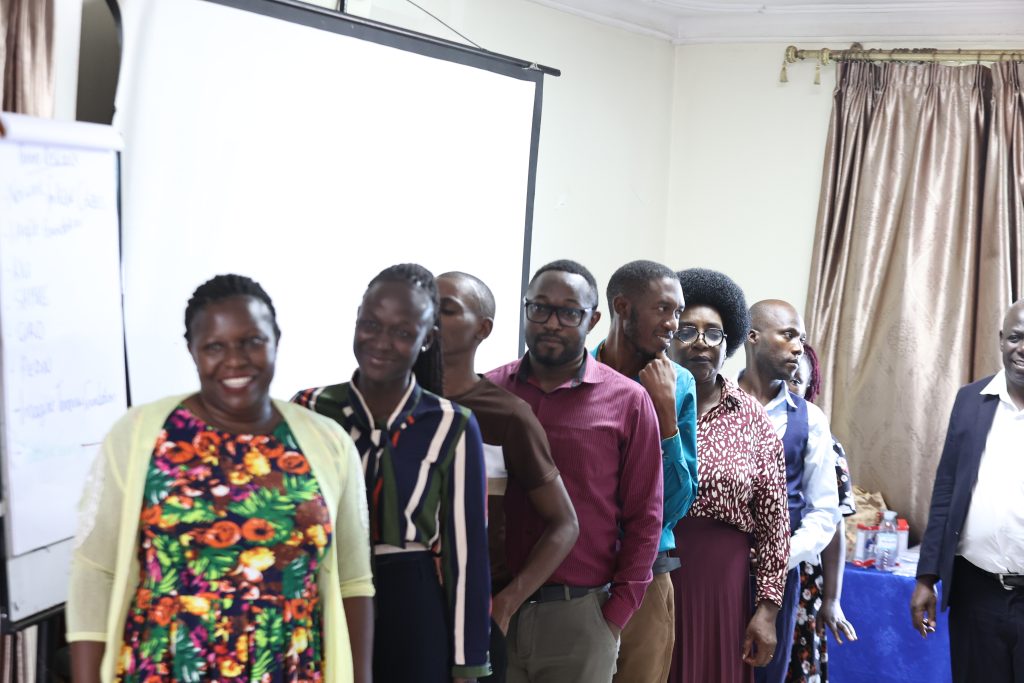





Partner Resilience Package workshop, Kampala, Uganda, 13–15 October 2026
No two organisations begin their journey towards financial resilience from the same place. Some have already explored ways to generate their own income. Others are still building their experience, systems and resources. Yet they share one ambition: to continue serving their communities, even when funding circumstances change.
Following the successful pilot in Kenya, Aflatoun International’s Partner Resilience Package: Financial Resilience for Sustainability continued its journey in Kampala, Uganda, from 13 to 15 October 2026.
The workshop brought together 21 participants from nine organisations, including eight NGOs and one higher education institution, for three days of reflection, practical exploration and evidence-informed decision-making.
Different realities, different starting points
The Uganda workshop brought together a particularly diverse group of organisations and professionals. Compared with Kenya, the group included more newly established NGOs, a stronger representation of young professionals and women, including expectant mothers.
Several emerging NGOs were navigating a familiar funding Catch-22: they needed resources to build experience and demonstrate impact, yet funders often expected an established track record before providing support.
Others were already exploring income-generating activities but facing challenges in making them sustainable. The participation of a higher education institution added another interesting perspective, opening discussions on how financial resilience and income diversification could also be relevant beyond the NGO sector.
These different realities reinforced a central principle of the package: financial resilience does not follow a single pathway, and developing a new income stream is not necessarily the right immediate step for every organisation.
A reflective journey, not conventional training
Rather than prescribing solutions, the Partner Resilience Package takes organisations through five connected stages, moving from awareness and institutional reflection towards informed decisions and realistic first steps.
Following the awareness stage, participating teams work with their own organisational data, examining funding patterns, institutional systems, readiness and risks. Through guided reflection, assessments and visualisation tools, they bring evidence to the surface, challenge assumptions and identify what their organisations are realistically prepared to undertake.
A distinctive feature is the readiness-based pathway approach, which helps each organisation identify an appropriate level of change based on its institutional readiness and risk exposure, while considering its existing diversification experience.
For some, the priority is to strengthen internal systems and financial foundations. Others may be ready to consolidate existing income-generating activities or explore a carefully planned new initiative.
Leadership alignment is equally important. Teams examine whether their leadership is prepared to support diversification and what evidence is needed to inform institutional decisions. Those with leadership approval can move towards preparing preliminary pilot plans, while others develop a case to present to their leadership.
One room, one facilitator and nine organisations, yet each organisation identifies a pathway that reflects its own realities, capacities and risks.
Learning through reflection, visualisation and innovation
The three-day workshop combined structured institutional analysis with interactive and experiential learning.
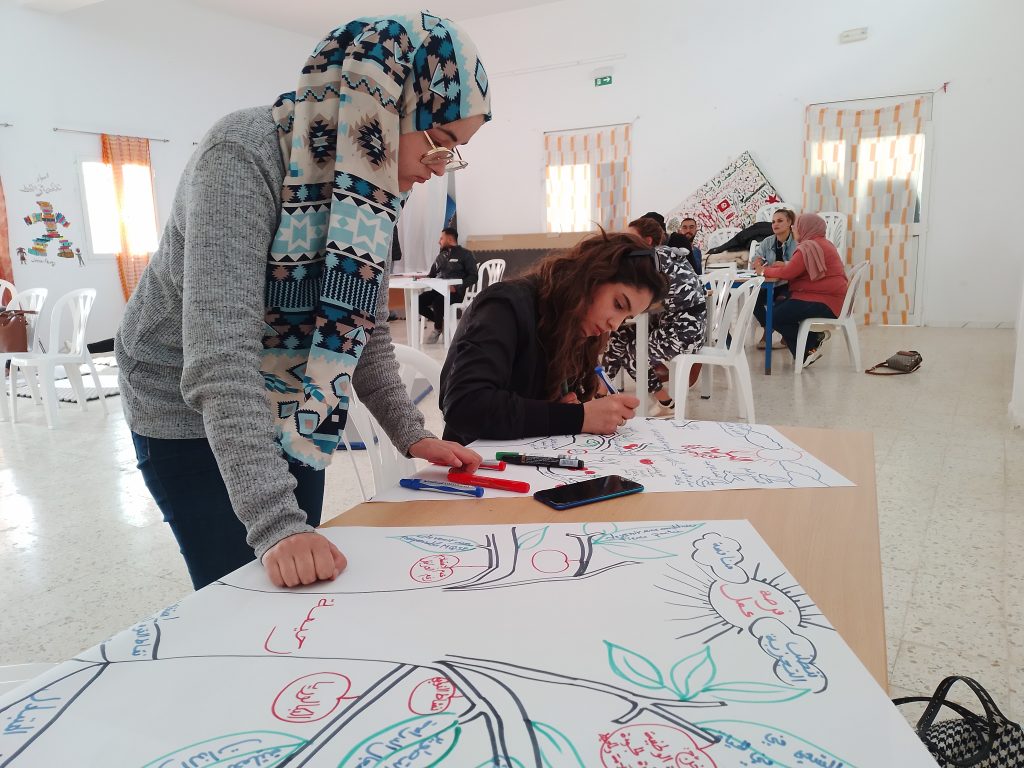
Through the Mission Line, participants explored the boundaries between generating income and protecting their organisational purpose. Visualisation activities helped teams better understand their financial dependencies, institutional strengths and vulnerabilities.
Interactive challenges highlighted common pitfalls that NGOs encounter, such as rushing into opportunities without assessing readiness or copying income-generating initiatives that may not suit their circumstances.
In the Innovation Lab, teams moved beyond brainstorming business ideas to identifying real community needs, defining problems and exploring solutions aligned with their existing strengths.
Market simulations, communication exercises, business model development and feasibility checks encouraged participants to consider the practical realities of an income-generating initiative: who it serves, the value it offers, the resources it requires and the risks involved.
Each activity built on the previous one, creating a connected journey from institutional awareness to practical decision-making.
By the final stage, organisations had worked through the critical considerations involved in preparing a manageable pilot, or identifying the institutional improvements and leadership decisions needed before moving forward.
The objective was not for every organisation to leave with a new business idea, but for each to recognise its most responsible and realistic next step.
Different pathways, a shared commitment
The diversity of the Kampala group made the learning experience particularly valuable.
Despite occasional electricity interruptions, internet connectivity difficulties and technical challenges, participants remained actively engaged in reflection, discussions and practical exercises. The strong participation of young professionals and women brought energy and varied perspectives to the process.
One of the most encouraging aspects was the feedback from participating organisations. Many described the package as timely, relatable, practical and directly applicable to the challenges they were facing. Several expressed that this was precisely the kind of structured support their organisations needed.
The experience reinforced an important lesson: effective capacity development is not about providing the same answers to everyone. It is about helping organisations examine their own evidence, ask the right questions and make decisions appropriate to their circumstances.
From reflection to practical action
The three-day workshop was designed as a starting point, not the end of the journey.
Participating teams identified priorities to take back to their institutions, whether strengthening existing systems, discussing recommendations with leadership, improving current income-generating activities or preparing for a carefully managed pilot.
The package also provides for continued reflection and follow-up support, helping organisations translate their workshop learning into realistic institutional actions.
Building resilience to sustain the mission
Financial resilience is not simply about generating additional income or turning NGOs into businesses. It is about strengthening their ability to continue delivering on their mission when funding conditions change.
The Partner Resilience Package encourages organisations to consider the right initiative, at the right time, at the right scale and with risks they can responsibly manage.
With the completion of the Uganda workshop, Aflatoun International successfully concluded Batch 1 of the Partner Resilience Package across Kenya and Uganda, generating valuable learning and insights for the next stage of the initiative.
We extend our sincere appreciation to Dioraphte for funding this initiative and to the Abdullah Dzinamarira Foundation (ADF) for contributing valuable experience and insights to the learning journey.
A very special thanks to the Private Education Development Network (PEDN) for its exceptional hospitality, coordination and dedicated support throughout the workshop. The active involvement of PEDN’s leadership and team members across all three days, both in facilitating arrangements and participating in the learning journey, made a meaningful contribution to its success.
We also thank all participating organisations for their openness, commitment and willingness to critically examine their institutional realities.
Because ultimately, building financial resilience is about more than income. It is about enabling organisations to keep showing up for the children, young people and communities who depend on them.