




A three-day training in eastern Democratic Republic of Congo is preparing peer educators to bring social and financial education into their communities, helping young people learn, cooperate and resolve differences peacefully.
Building peace involves everyday choices: how we respond to frustration, listen to someone with a different perspective or work together when resources are limited. For young people growing up in communities affected by conflict and instability, opportunities to practise these skills matter.
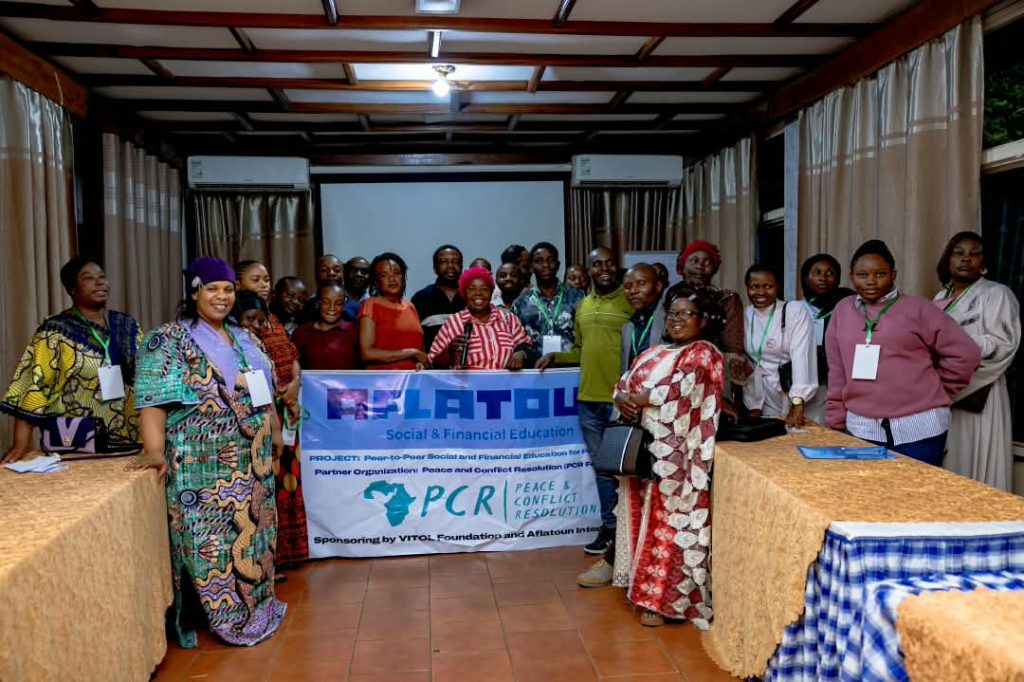
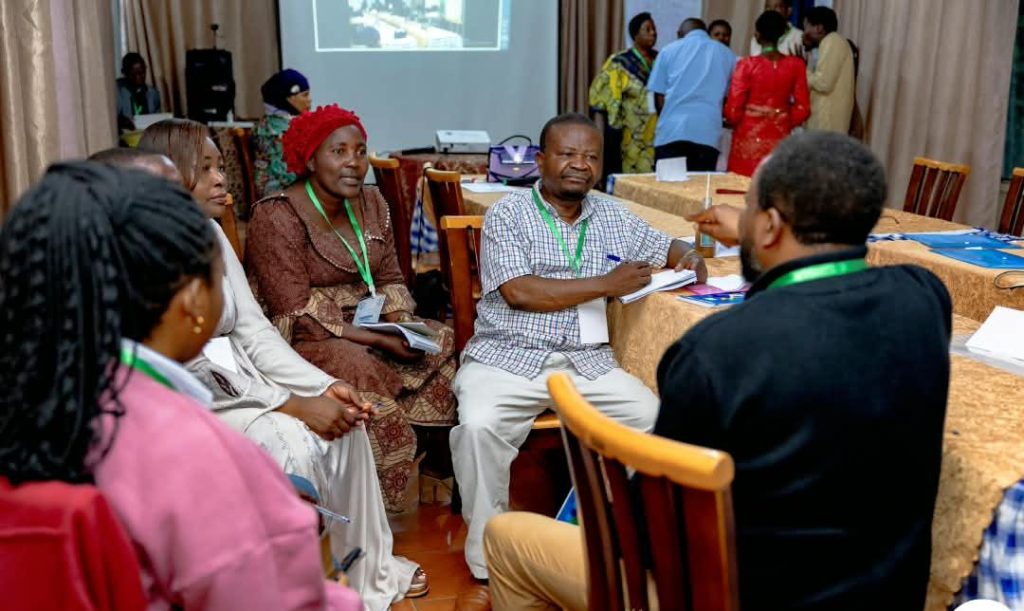
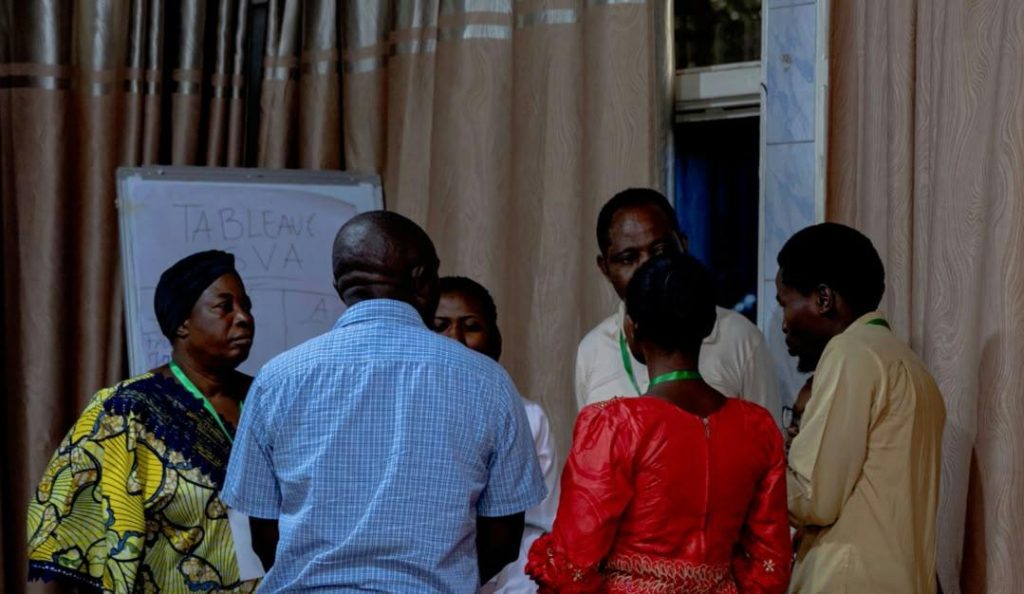
In Goma, North Kivu, Aflatoun International’s partner, the Peace & Conflict Resolution Foundation (PCR), has completed a three-day training for a new group of peer educators. These young people are preparing to bring Social and Financial Education for Peacebuilding to others in their communities.
The approach gives young people an active role in both learning and peacebuilding. They can share knowledge, support their peers and create opportunities for cooperation within their own communities.
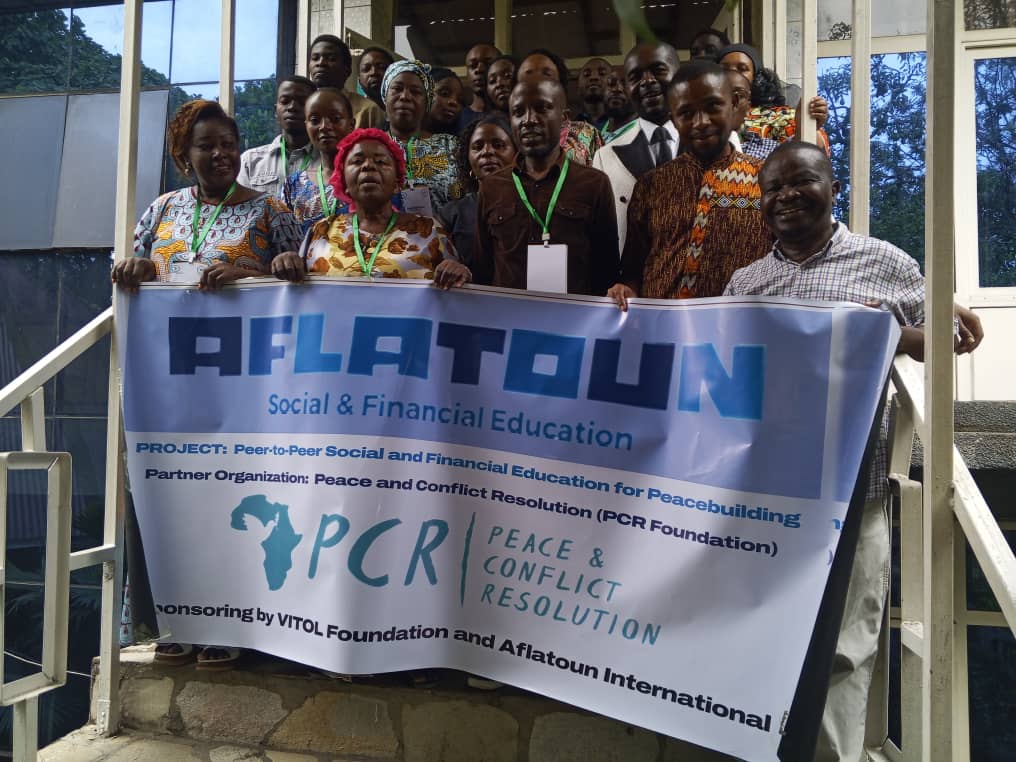
Learning from each other
Peer education starts with the idea that young people have knowledge and experiences worth sharing. Learning alongside peers can make it easier to discuss everyday challenges, ask questions and explore different ways of responding.
A peer educator’s role is to encourage participation and help others think through situations together. This creates room for young people to contribute their own perspectives and learn from experiences that may differ from theirs.
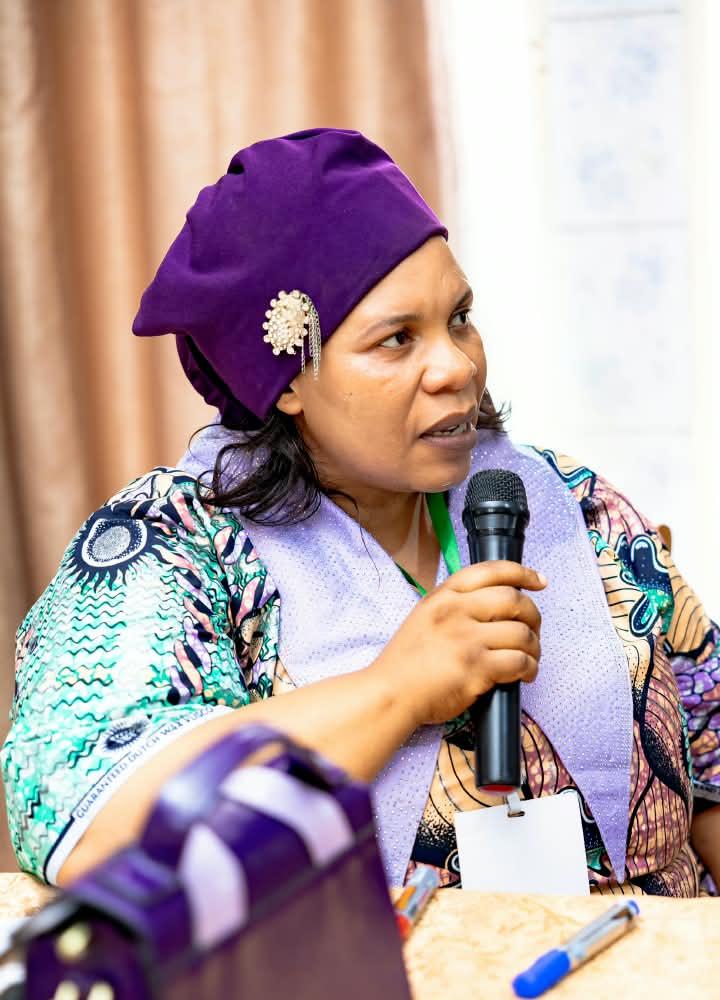
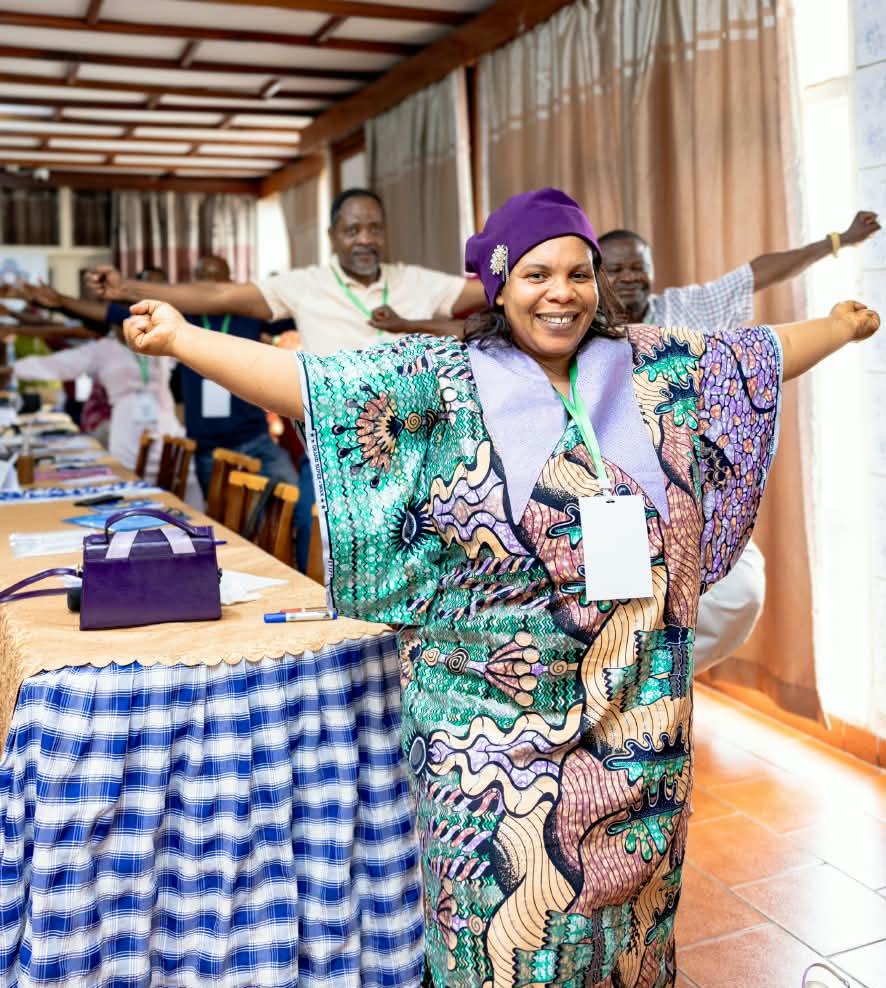
The Goma training prepared participants to take on this role using Aflatoun’s Peer-to-Peer Social and Financial Education for Peacebuilding Toolkit. It brings together practical skills for managing emotions, building resilience, making responsible financial decisions, respecting differences and resolving conflicts peacefully.
These topics connect personal development with relationships and community life. Recognising an emotion can help someone pause before reacting. Listening carefully can make space for another perspective. Planning together can help a group agree on priorities and responsibilities.
Connecting financial skills with peacebuilding
Money and resources are part of everyday relationships. Decisions about saving, spending and sharing can involve competing needs, different expectations and difficult conversations.
Financial education gives young people tools to understand these choices. Combined with social skills, it can also provide opportunities to practise fairness, communication and cooperation.
For example, a group planning an activity with a limited budget might need to agree on what matters most, listen to different suggestions and explain how resources will be used. This is an illustration of how financial learning can create space to practise skills that also support peaceful relationships.
Learning to plan can encourage young people to consider consequences and work towards shared goals. Learning to make responsible financial decisions can help them reflect on how their choices affect themselves and others.
Financial education alone cannot build peace. Its contribution becomes more meaningful when it is connected to emotional awareness, respect for others and opportunities to take constructive action.
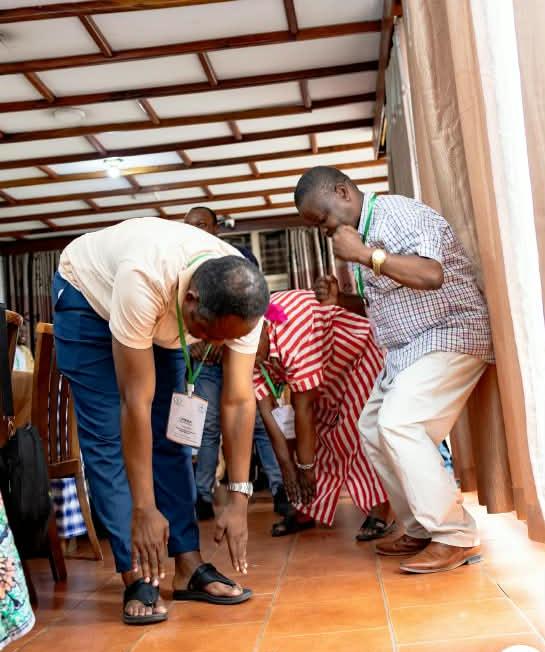
Serious Fun, purposeful learning
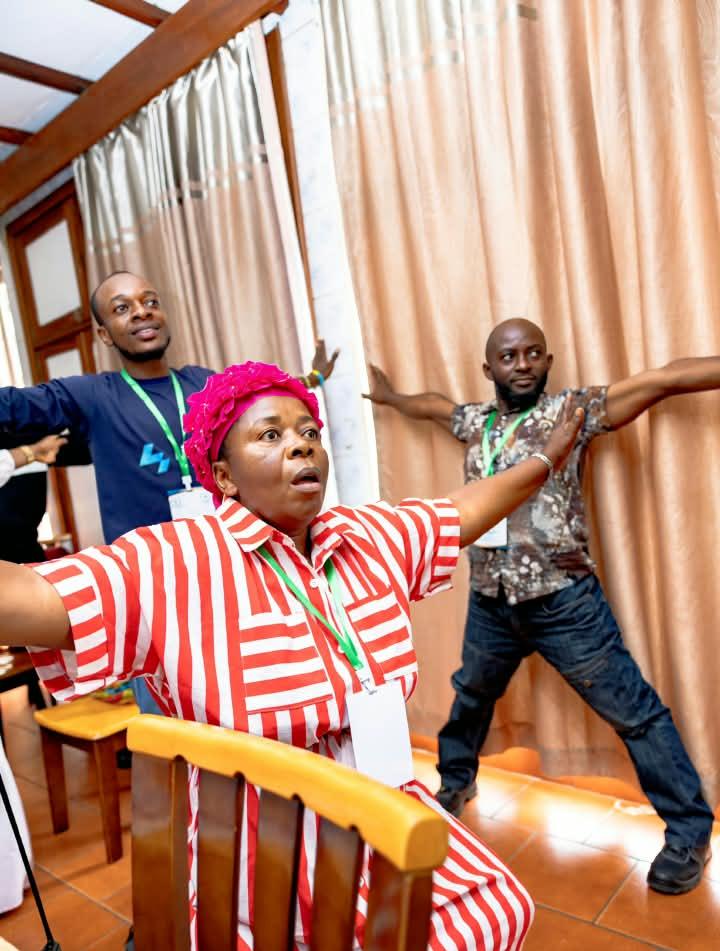
The training also included an essential part of Aflatoun’s approach: Serious Fun.
Games, stories, role-play, group discussions and practical activities make learning engaging and participatory. They give young people opportunities to explore ideas through experience and reflect on what they discover.
Role-play can help learners consider how different responses might change a difficult situation. Stories can open discussions about choices and consequences. Group activities can encourage participants to listen, cooperate and solve problems together.
These methods help connect learning with situations young people recognise. They also give peer educators practical ways to involve others, including those who may feel less comfortable speaking in a formal discussion.
Enjoyment and reflection work together. An activity becomes a starting point for discussing what happened, how people felt and what they might do differently next time.
Supporting young people in challenging contexts
In communities affected by conflict and instability, young people need opportunities to learn and contribute. They also need support to navigate uncertainty and maintain constructive relationships with those around them.
The peer-to-peer approach recognises their ability to play a meaningful role. It creates opportunities for young people to practise cooperation, share ideas and support one another while developing skills for their own lives.
At the same time, young people should not carry responsibility for resolving the wider challenges facing their communities. Their participation needs to sit alongside sustained support from organisations, communities and institutions.
PCR Foundation’s work in North Kivu is helping create opportunities for that participation. The training is a step towards bringing these learning experiences to more young people through locally engaged peer educators.
A shared approach across different communities
Aflatoun is also supporting similar peer-to-peer peacebuilding initiatives in Honduras and Yemen, with support from the Vitol Foundation.
Although these contexts differ, the initiatives share a commitment to connecting social and financial learning with opportunities for young people to contribute to their communities. Local experience remains essential to making the approach relevant.
The completion of the Goma training marks the beginning of the peer educators’ next stage: bringing what they have learned to others. Their role will be to encourage discussion, support participation and help peers explore practical ways to cooperate and manage differences.
We thank PCR Foundation for taking this work forward in North Kivu and the young people preparing to share their learning.
Peacebuilding needs spaces where young people can listen, practise and participate. Through social and financial education, those spaces can begin with a conversation, a shared activity or a decision made together.